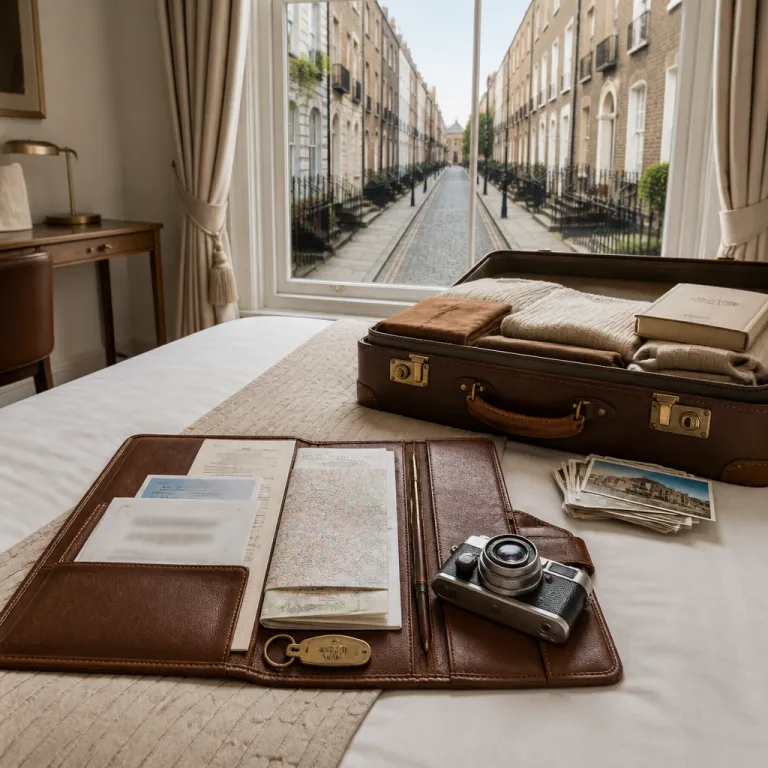
Choosing the right area for a refined dublin itinerary 3 days
For a thoughtfully planned three days in Dublin, where you stay shapes every day. Selecting a hotel in the historic core of Dublin city lets you walk between cathedral spires, Georgian squares, and the River Liffey with ease, turning each day the capital offers into a seamless cultural promenade. In a compact city like Dublin, the right base in Ireland’s capital means you spend more time exploring and less time in transit, which matters when your itinerary covers several famous sites in only three days.
Staying near Trinity College places you within minutes of the Book of Kells exhibition, the Long Room library, and the elegant lawns that anchor so many guided tour routes through the city. From a hotel close to Grafton Street, you can reach the National Gallery, the National Museum of Archaeology on Kildare Street, and leafy St Stephen’s Green in under ten minutes on foot, which keeps your Dublin itinerary focused on experiences rather than logistics. This central location also gives you quick access to the Luas Green Line at St Stephen’s Green and Dawson stops, plus numerous bus routes along Nassau Street and Dame Street, so a trip many visitors fear will be complicated becomes a simple series of short, well connected journeys across Dublin city.
Visitors who prioritise nightlife often book a stay near Temple Bar, yet a more strategic approach is to choose a quieter street just beyond the bar district and walk in when the mood strikes. That way, you enjoy the atmosphere of Temple Bar pubs and live Irish music without sacrificing sleep during your three-night stay, which is crucial if you plan an early guided tour or a full-day excursion to the coast. With typical mid-range daily costs for tourists in Dublin often reaching around 150 EUR according to recent European city break budget surveys, choosing a central hotel can actually improve value, because you reduce transport expenses and gain more time in each day for museums, castles, and church visits.
Day one in dublin city: history, Trinity College and Grafton Street
Begin the first day of your Dublin itinerary with a quiet early walk through Trinity College before the main tour groups arrive. Staying nearby means you can reach the campus in minutes, admire the cobbled quads, and then join a guided tour that leads you to the Book of Kells and the Long Room, where soaring shelves and dark wood create one of the most famous interiors in Ireland. Many hotels in this part of Dublin city offer early breakfast, which helps you reach the Old Library entrance close to opening time and avoid the longest queues during your three days in the city.
After your visit to Trinity College, stroll down Grafton Street, where street performers, Irish fashion brands, and cafés line the pedestrian route towards St Stephen’s Green. Choosing accommodation between Grafton Street and the park gives you a calm retreat only a short walk from the shopping bustle, and it keeps your day plans flexible if the weather changes. For a mid-morning break, you might stop at Bewley’s Grafton Street for coffee and a pastry beneath its stained-glass windows before continuing towards the park. Wear comfortable shoes for walking, because this compact city rewards those who explore on foot, and you will find that each bar, church, and museum on your itinerary sits closer together than many first-time visitors expect.
In the afternoon, cross towards Dublin Castle and the nearby Chester Beatty museum, both central to any cultural tour of the city. Hotels in this area place you within a ten-minute walk of Dublin Castle, Christ Church Cathedral, and the atmospheric lanes that lead towards Temple Bar, so you can shape your three-day schedule around short, manageable segments. As evening falls, you might book a table in a traditional Irish bar just outside the busiest Temple Bar streets, such as The Palace Bar on Fleet Street, allowing you to enjoy live music and a relaxed dinner before returning to your room without needing a taxi at the end of a full Dublin day.
Day two: guinness, cathedrals and characterful neighbourhood bars
The second day Dublin offers should focus on the layered stories behind its cathedrals and industrial heritage. Start with a visit to the Guinness Storehouse at St James’s Gate, where a self-guided tour explains how the famous stout shaped both the economy of Dublin and the identity of Ireland, culminating in panoramic views over the city from the Gravity Bar. Standard adult tickets usually start around 26–30 EUR when booked online through the official Guinness Storehouse ticketing system, and if you hold a Dublin Pass you can streamline entry to several attractions, which is particularly useful when your three-day city break compresses many experiences into only a few days.
From the Guinness Storehouse, walk or take a short bus ride towards St Patrick’s Cathedral, the national cathedral of the Church of Ireland and a highlight of any trip visitors plan around architecture. Staying in the south inner city keeps this route efficient, allowing you to visit both St Patrick’s Cathedral and Christ Church Cathedral in one well-paced day, with time for a café stop between the two church visits. Many travellers choose hotels near these cathedral landmarks so they can photograph the spires at different times of day, from soft morning light to the golden hour that flatters the stonework of Dublin’s most famous religious buildings.
Later, return towards the river and weave through the streets that connect Christ Church to Temple Bar, where you can find quieter pubs on the fringes of the main bar cluster. A hotel slightly removed from the noisiest Temple Bar corners lets you enjoy Irish music sessions and a convivial bar atmosphere, then retreat to calm within a short walk, which is ideal when you have another early start on the final day of your three-day Dublin itinerary. As public transport in Dublin is generally reliable, with frequent buses along the quays and Luas tram stops at Jervis and Abbey Street, you can comfortably combine walking tours with buses or trams, ensuring that your days remain balanced between exploration and rest.
Day three: coastal air, museums and a final evening in temple bar
On the last day of your dublin itinerary, consider a coastal excursion to Howth or another seaside village, then return to the city for a final cultural stop. Many central hotels are within easy reach of train stations, so you can plan a half-day coastal tour and still have time to visit a museum or church in the afternoon. From Connolly Station, the DART suburban train to Howth typically takes about 30 minutes according to Irish Rail journey planners, which keeps your three days in Dublin varied, combining sea air, harbour walks, and the urban energy of the city in a single, well-structured itinerary.
Back in the centre, you might revisit Trinity College for a slower wander through the grounds, or head to a museum you missed on day one, such as the National Museum of Archaeology. Because your hotel is close to both Grafton Street and St Stephen’s Green, you can pause in the park, then continue towards Dublin Castle or Christ Church Cathedral for any final photographs before evening falls. Tourists often ask, “What are must-see attractions in Dublin?” and the consistent answer remains “Trinity College, Guinness Storehouse, Kilmainham Gaol, Temple Bar,” with many visitors also adding a coastal village like Howth to round out their experience.
For a memorable final night, walk into Temple Bar and choose a bar that balances live Irish music with space to sit and reflect on your memories. Staying nearby means you can linger over a last Guinness or a glass of Irish whiskey without worrying about late-night transport, which is a subtle but important luxury on the closing evening of your three-day stay. As you return to your room, the city’s church towers, castle walls, and softly lit streets frame the end of your Dublin days with a sense of place that lingers long after departure.
How to choose a hotel near Dublin’s cultural landmarks
When you plan a dublin itinerary 3 days, proximity to key sites should guide your hotel choice more than almost any other factor. Look for properties within a fifteen-minute walk of Trinity College, Dublin Castle, and Grafton Street, because this triangle covers many of the city’s most famous attractions and simplifies each day you spend in the capital. With around 6.6 million annual tourists visiting Dublin in the last pre-pandemic year according to Fáilte Ireland statistics, central rooms near these landmarks can sell out quickly, so it is wise to book well in advance, especially for summer weekends and major events.
For culture-focused travellers, a stay near Trinity College offers immediate access to the Book of Kells, the Long Room, and several museum options, while still keeping Temple Bar and St Stephen’s Green close at hand. Those who prioritise ecclesiastical architecture might prefer a location between Christ Church Cathedral and St Patrick’s Cathedral, where each church stands within a short stroll of characterful Irish bars and cafés. If your trip plans include multiple guided tour departures, consider hotels near the main pick-up points on O’Connell Street, College Green, or Suffolk Street, which reduces early morning stress on busy Dublin days.
Price is another consideration, especially when the average daily cost for tourists in Dublin is often estimated at around 150 EUR, including accommodation, meals, and local transport, in recent European city break budget studies. A central hotel may appear more expensive at first glance, yet it often delivers better value over three-night stays by cutting taxi fares and allowing you to walk between the Guinness Storehouse, Dublin Castle, and Temple Bar. When comparing options, choose the property that lets you find a balance between quiet nights, easy access to the city’s famous sites, and enough space in your room to relax between each carefully planned day of your itinerary.
Practical tips for a seamless three day stay in Dublin
Thoughtful planning turns a short city break into a relaxed, rewarding experience rather than a rushed checklist. Start by grouping attractions geographically, so one day focuses on Trinity College, Grafton Street, and St Stephen’s Green, while another day centres on the Guinness Storehouse, Dublin Castle, and the cathedrals. This approach reduces backtracking across the city and leaves more time to linger in a museum, a church, or a quiet Irish bar when something captures your interest.
Digital tools now play a major role in how tourists navigate Dublin, from mobile maps to apps that track bus and tram times in real time. Use these resources to check opening hours for the Book of Kells, the Long Room, and the Guinness Storehouse on their official pages, and to time your guided tour bookings so they fit neatly into your three-day schedule. As a rule of thumb, many major attractions open around 9:30–10:00 in the morning and close by late afternoon, so walking tours, public transportation, and occasional taxis together create a flexible network that supports your trip without requiring a car, which is particularly helpful if you prefer to enjoy a Guinness or whiskey in Temple Bar at the end of each day.
Comfort also matters, especially when you may walk several kilometres each day Dublin presents. Pack layers for Ireland’s changeable weather, wear supportive shoes, and keep a small umbrella handy as you move between cathedral visits, museum stops, and bar breaks. By respecting your own pace and allowing space in the itinerary for spontaneous moments, you transform a simple three-day plan into a personal narrative woven through the streets, squares, and stories of Dublin city over three carefully curated days.
Key figures for planning your three days in Dublin
- Approximately 6.6 million tourists visited Dublin in the last full pre-pandemic year according to Fáilte Ireland, which means central hotels near Trinity College, Dublin Castle, and Temple Bar often reach high occupancy during peak seasons.
- The average daily cost for tourists in Dublin is frequently estimated at around 150 EUR in recent European Travel Budget Guides, so a three-day Dublin itinerary typically requires a budget of about 450 EUR per person before flights.
- A well-planned three-day stay usually includes walking distances of roughly 8 to 12 kilometres per day, because many famous attractions such as the Guinness Storehouse, Christ Church Cathedral, and Grafton Street are within walking range of each other for reasonably fit visitors.
- Public transport in Dublin operates with frequent services on key routes, and transport experts note that the city offers a comprehensive and generally reliable public system, which supports itineraries that combine city centre stays with coastal excursions on DART trains.
FAQ: planning a hotel stay around your dublin itinerary 3 days
What are the must see attractions to prioritise in three days?
For a focused dublin itinerary 3 days, prioritise Trinity College with the Book of Kells and the Long Room, the Guinness Storehouse, Dublin Castle, Christ Church Cathedral, St Patrick’s Cathedral, and an evening in Temple Bar. These sites give you a balanced view of Dublin city history, Irish culture, and contemporary nightlife. If time allows, add a coastal half-day trip to Howth or another seaside village using the DART from Connolly or Tara Street stations.
Which area is best to book a hotel for cultural sightseeing?
The most practical area for culture-focused travellers lies between Trinity College, Grafton Street, and St Stephen’s Green, extending west towards Dublin Castle and Christ Church Cathedral. From here, you can walk to most famous attractions in under twenty minutes, including Temple Bar and several major museums. This central position keeps your Dublin days efficient and reduces reliance on taxis or long bus rides.
Is public transportation reliable enough for a three day stay?
Yes, public transportation in Dublin is reliable and well suited to a short city break. Buses, the Luas tram, and DART trains connect central hotels with neighbourhoods, coastal areas, and key attractions beyond easy walking distance. Many visitors combine walking tours in the compact centre with short public transport hops to complete their dublin itinerary 3 days.
When is the best time to visit Dublin for this itinerary?
Late spring to early autumn offers mild weather and a lively programme of festivals, which suits a dublin itinerary that relies heavily on walking between outdoor sites and parks. During these months, longer daylight hours extend the time you can spend exploring Dublin city streets, churchyards, and castle courtyards. Shoulder seasons also tend to offer slightly better hotel availability near major landmarks.
Should I buy a Dublin Pass for a three day trip?
A Dublin Pass can be worthwhile if your dublin itinerary 3 days includes several paid attractions such as the Guinness Storehouse, Dublin Castle, and certain museums. The pass may save money and time by combining entry fees and sometimes offering fast-track access. Compare the list of included sites with your planned itinerary to decide whether it matches your personal Dublin priorities.