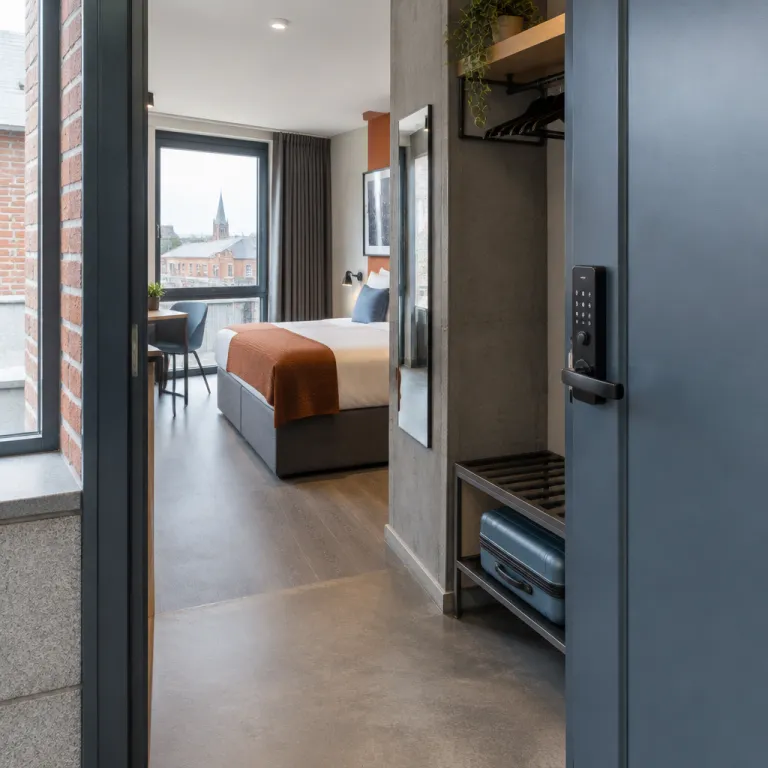
Host logic Dublin accommodation details for data led hotel choices
Host logic Dublin accommodation details now sit at the centre of every serious hotel search in the city. When you compare a traditional hotel with an Airbnb property or a Dublin Host Families homestay, you are really comparing how each host uses data, technology, and hospitality logic to shape your stay. Guests who understand this logic read beyond glossy photos and focus on booking patterns, property specific services, and the real guest experience at night.
In Dublin, the most advanced hotel platforms quietly track how each guest behaves over time, then refine services and room configurations using that information. This same platform logic appears in the way an Airbnb host adjusts nightly rates, how a homestay family plans meals, and how a city centre hotel allocates rooms to maximise revenue without sacrificing hospitality. When you study how Dublin accommodation is managed behind the scenes, you see how property specific data, from check in times to laundry usage, is turned into practical service improvements that directly help guests.
Homestay providers such as Dublin Host Families show a different but equally rigorous form of host logic in action. They operate owner occupied properties across residential districts like Coolock in Dublin 5, where a guest usually books a single or shared room with half board and clear house terms. Their accommodation details are precise: a typical guest pays around 295 euros per week for a single room with breakfast and dinner, accepts a shared bathroom unless a private one is requested early, and expects a commute of 30 to 60 minutes by public transport to language schools or city offices. These figures are broadly in line with published homestay price lists from major Dublin language schools and local accommodation agencies.
How Dublin hotels use platforms and booking patterns to shape your stay
Dublin hotels increasingly rely on integrated booking platforms that mirror the dynamic logic first popularised by Airbnb and other short stay services. These systems analyse booking patterns by night, by room type, and by property specific features such as ensuite bathrooms or work desks, then adjust prices and availability in real time. For a guest, this means that the same hotel room can cost noticeably more on a Saturday night during a festival than on a quiet midweek stay, even when the physical experience appears identical.
Behind the scenes, revenue managers in Dublin hotels use detailed accommodation data to decide which services to bundle and which to sell separately. They examine how many guests actually use late check out, how often the laundry service is requested, and whether local restaurant partnerships generate extra revenue or simply complicate the guest journey. This data driven hospitality logic is not unique to Ireland; similar methods are used across the United States, but Dublin’s compact size and strong seasonality make property specific analysis especially important.
For travellers who want to work remotely while they live in Dublin for several weeks, this same platform intelligence can be a real help. Hotels that understand digital nomad needs often highlight upload speeds, desk quality, and quiet floor policies directly in their accommodation details, rather than hiding them in generic terms. If you plan a work ready stay, it is worth reading a specialised guide such as this analysis of digital transformation workshops in Irish hotels, then comparing its insights with the booking logic and services listed on each Dublin property page.
Homestays, hotels, and Airbnb stays : comparing host logic in practice
Choosing between a Dublin hotel, an Airbnb apartment, and a host family property is really a choice between three distinct versions of host logic. In a full service hotel, the host is usually an institution that standardises hospitality services, from breakfast times to laundry, so that every guest receives the same predictable experience. In an Airbnb stay, the host is an individual who may offer highly personal local tips, flexible check in times, and unique property specific quirks, but who might not match the consistent night by night reliability of a hotel.
Homestays through Dublin Host Families occupy a middle ground where the host lives on site and hospitality is both personal and structured. Their accommodation details are clear: half board usually includes breakfast and dinner on weekdays, with all meals at the weekend, and stays often run from two weeks to several months aligned with academic terms. One official answer from a typical Dublin language school summarises it neatly: “Breakfast and dinner on weekdays; all meals on weekends with host families,” a formula that balances cultural immersion with predictable daily routines.
From a guest perspective, the most important step is to align your expectations with the host logic that governs each option. If you value cultural immersion and English practice, a homestay property where you live with a local family may deliver a richer experience than a central hotel, even if the commute time is longer. If you prioritise privacy, 24 hour reception service, and predictable booking patterns, then a hotel or professionally managed Airbnb apartment, especially one informed by major tech driven acquisitions described in this report on tech driven hotel stays, will probably suit you better.
Property specific details that matter in Dublin’s hospitality tech scene
When you read host logic Dublin accommodation details carefully, you start to notice how property specific information reveals the true quality of a stay. Dublin hotels that take hospitality technology seriously now list commute times to key business districts, plug types at each desk, and even the average Wi Fi speed measured in megabits per second. These details may seem minor, yet they shape how comfortably you can live, work, and relax during each night of your booking.
Homestay providers in Dublin apply the same logic in a more low tech way by specifying whether a room includes a study desk, how often laundry is done, and whether a private bathroom is available for a weekly supplement. A typical single room with half board costs around 250 to 300 euros per week in low season, rising during busy summer periods when demand from international guests increases sharply. These price bands broadly match the ranges published on homestay pages for schools such as IH Dublin and similar providers, which helps guests benchmark offers from different agencies.
Short stay apartments and Airbnb listings in Dublin often emphasise different property specific strengths, such as self check in, full kitchens, and proximity to nightlife. Here, the host logic focuses on maximising revenue per night by attracting both tourists and remote workers who value independence more than traditional hotel services. Before you commit, read the terms carefully, check whether cleaning fees and city taxes are included in the headline price, and compare the total cost with a hotel that offers similar space and services over the same time period.
From Dublin to the United States : how global platforms shape local stays
Many of the platforms that power Dublin hotel bookings were originally developed for large markets such as the United States, yet they now adapt to very local conditions. These systems bring sophisticated revenue management logic, loyalty programmes, and guest messaging tools into Irish properties that might once have relied on phone bookings and paper ledgers. For travellers, this means that host logic Dublin accommodation details are often presented through the same interface you might use to book a stay in New York or Chicago, even though the on the ground experience in Ireland feels very different.
What distinguishes Dublin is the way local hoteliers and homestay providers customise these global tools to reflect Irish hospitality values. A city centre hotel may use a global platform to analyse booking patterns, but it will still prioritise early breakfast times for guests attending language schools, or flexible check in for transatlantic flights arriving from the United States. Homestay hosts, meanwhile, might rely on simpler online application portals, yet they still apply clear logic when matching guests to families based on dietary needs, bathroom preferences, and expected time spent at home.
As you compare options, pay attention to how each host uses technology to help rather than to overwhelm you with choice. A well designed booking service will present property specific details in plain language, clarify terms such as cancellation windows and meal plans, and allow you to contact the host or hotel directly with questions. If you want a deeper view of how digital tools are reshaping work friendly stays, resources like this elegant digital nomad guide to Dublin hotels can complement the raw data you see on mainstream platforms.
Practical host logic tips for booking your Dublin stay
Turning host logic Dublin accommodation details into a confident booking decision requires a structured approach. Start by defining how you plan to live in Dublin each day; will you attend classes, work remotely, or explore the city from morning to night? Your answer should guide whether you choose a hotel with strong business services, a homestay with shared meals, or an Airbnb apartment that offers maximum independence but fewer formal hospitality services.
Next, compare total stay costs across at least three property types, including all fees and services that matter to you. For a homestay, factor in the weekly rate of around 295 euros for a single room with half board, plus any placement fee and the value of included meals and laundry. For a hotel, examine whether breakfast, late check out, and use of co working spaces are bundled into the nightly rate or sold as extras that increase the real cost over time.
Finally, read recent guest reviews with an eye for booking patterns and property specific strengths or weaknesses. Look for comments about noise levels at night, responsiveness of the host or front desk, and how accurately the accommodation details matched the live experience. When you see consistent praise for clear communication, fair terms, and helpful local advice, you can be confident that the underlying host logic is sound and that your Dublin stay will be both efficient and genuinely welcoming.
Key statistics on Dublin accommodation and host family stays
- Typical weekly rates for single rooms with half board in Dublin homestays range from about 250 to 300 euros in low season, based on language school price lists and agency brochures, which positions them between budget hotels and many central Airbnb apartments for longer stays.
- A commonly cited benchmark from international language schools in Dublin is 295 euros per week for a single room with half board and 280 euros per person for a twin room, showing only a modest discount for sharing when compared with private occupancy.
- Placement fees for organised host family accommodation usually sit around 80 euros per booking, which effectively adds the cost of one extra night in a mid range Dublin hotel to the overall homestay budget according to typical school and agency terms.
- Travel times from residential homestay areas such as Coolock to central Dublin schools or offices typically range from 30 to 60 minutes by public transport, which is comparable to commutes from many suburban hotels but longer than walks from city centre properties.
- Demand for private or ensuite bathrooms in Dublin homestays rises significantly during the summer high season, leading to higher weekly rates and earlier booking deadlines for guests who prioritise this level of comfort, a pattern reflected in seasonal pricing tables and availability notes.
FAQ about Dublin hotels, homestays, and tech driven bookings
What meals are usually included in Dublin host family accommodation ?
Most structured Dublin homestay programmes include breakfast and dinner on weekdays, with all meals provided at weekends when guests spend more time at home. This half board arrangement is reflected in weekly prices and is designed to support both cultural immersion and predictable budgeting. If you have dietary requirements, you should mention them during the application process so the host family can confirm whether they can accommodate your needs.
Can I request a private bathroom in a Dublin homestay ?
Many Dublin host families offer private or ensuite bathrooms for an additional weekly supplement, but availability is limited and must be requested early. Because these properties are owner occupied homes rather than purpose built hotels, not every room can be upgraded in this way. When private facilities are essential, make this clear before paying any placement fee or confirming your booking.
How far are Dublin homestays from language schools and the city centre ?
Homestays are usually located in residential neighbourhoods around Dublin, with typical commute times of 30 to 60 minutes by bus, train, or tram to central schools and workplaces. This distance allows guests to experience local life while still accessing city amenities each day. When comparing options, check both the nearest public transport stops and the frequency of services at the times you plan to travel.
Are Dublin hotels or homestays better for practising English ?
Homestays generally provide more opportunities to practise English because you live with a local family and share daily meals. Hotels can still support language learning through interactions with staff and other guests, but the contact is usually shorter and more formal. If language improvement is a primary goal, a well matched host family property will almost always offer a richer environment than a standard hotel stay.
When should I book Dublin accommodation to secure the best options ?
For both hotels and homestays in Dublin, booking several months in advance is advisable, especially for summer stays or when major events increase demand. Early bookings give you a wider choice of property specific features such as private bathrooms, quiet rooms, or proximity to particular schools. Late bookings can still work, but you may need to compromise on location, services, or price as availability tightens.
References
- Fáilte Ireland – official tourism statistics and accommodation insights for Dublin.
- Central Statistics Office Ireland – data on travel, tourism, and household spending.
- IH Dublin and similar language schools – published homestay pricing and accommodation guidelines.