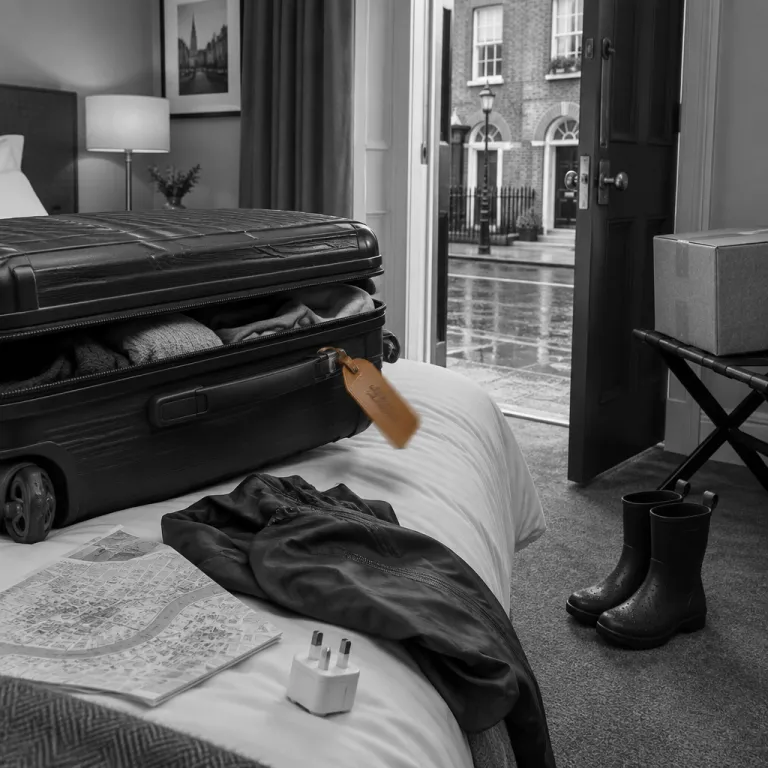
Why frequent American guests keep returning to Dublin hotels
Relocating to Dublin from the United States often begins with an extended hotel stay. Many Americans treat that first booking as a soft landing before they fully move to Ireland and arrange long-term housing. Frequent guests say this early phase strongly shapes how you will feel about living in Dublin and in Ireland more broadly for years to come.
Regular visitors from the United States describe Dublin hotels as their base for testing daily routines, commuting patterns, and potential work-in-Ireland options. They use each stay to understand the real cost of living in different neighbourhoods and to judge whether settling in Dublin, or later moving on to another Irish city such as Cork, would suit their lifestyle. When you plan your own move, think of your hotel not as a simple room but as a temporary home that quietly rehearses your future life as an American living in Ireland or as a dual Irish–American resident.
Guests who return several times a year often choose the same property because the staff remember their preferences and family details. This familiarity matters when you are relocating and juggling visa paperwork, an employment permit application, or an immigration permission interview with the Irish Naturalisation and Immigration Service (INIS). A stable hotel base gives you calm space to review tax documents, check your employment options, and prepare for meetings about general employment or critical skills roles.
Choosing the right Dublin neighbourhood when you are still a hotel guest
Frequent American guests say the hotel location is their most strategic decision when planning a move to Dublin. They deliberately book in areas where they might later rent so they can walk the streets at different times of day. This habit helps them compare the cost of living, commute times, and atmosphere before they commit to a long-term lease.
Many Americans start in the city centre near the River Liffey, then gradually test residential districts such as Ranelagh, Drumcondra, or Ballsbridge during repeat stays. Some guests even split a single trip between Dublin and Cork, using hotels in both cities to compare job markets, general employment prospects, and lifestyle before they finally choose where to live. If you are an American professional with critical skills in technology or healthcare, you may prefer hotels close to major employers so you can attend interviews and assess work-in-Ireland opportunities on foot.
Irish hoteliers are used to hosting guests who are relocating to Ireland rather than simply visiting for a weekend. Staff can often explain how an international move to Ireland works in practice, from opening a bank account to registering for tax once you have an employment permit or other permission to work. When you ask precise questions about life in Dublin as an Irish–American family or as an Irish citizen returning home with an American spouse, you usually receive practical, experience-based answers rather than vague reassurance.
How long hotel stays help you navigate visas, permits, and Irish immigration rules
For many Americans, settling in Dublin involves several trips before immigration permission is fully granted. During these visits, hotels become quiet offices where you apply for the correct visa, gather documents for an employment permit, and schedule appointments with Irish authorities. Guests often say that a reliable front desk team is almost as valuable as a good immigration adviser.
If you are coming to work in Ireland under the Critical Skills Employment Permit, you may need to attend interviews and sign a job contract before your permission to work is finalised. Long-stay hotel guests use their rooms to print contracts, review tax obligations, and check that their skills and salary match the Irish Department of Enterprise, Trade and Employment criteria. Those arriving on a General Employment Permit follow a similar pattern, using hotel Wi‑Fi and business centres to manage paperwork while they wait for immigration permission to be stamped in their passport.
Some visitors are eligible for Irish citizenship or already hold Irish passports through a parent or grandparent, which changes how they move to Ireland and how long they can stay without a visa. Even then, they still use hotels as a base while they register with local authorities, apply for a Personal Public Service number, and understand how Ireland will tax their worldwide income. Whether you are an American without EU citizenship or an Irish citizen returning from the United States, a well-chosen hotel can ease every administrative step.
What frequent guests reveal about Dublin hotel life and the real cost of living
People who are relocating from the USA to Dublin often underestimate how hotel choices influence their perception of the cost of living. Regular guests advise tracking every euro you spend on meals, transport, and laundry during your stay, then comparing that with what you would pay once you live in a rented apartment. This simple exercise reveals whether your future salary from a Dublin job or a role in Dublin or Cork will comfortably cover daily expenses.
Frequent American visitors say that staying in hotels with kitchenettes or easy supermarket access gives a more realistic view of day‑to‑day living costs in Ireland. When you cook some meals yourself, you see how food prices, transport fares, and Irish tax on certain goods will affect your monthly budget. This matters if you are relocating with a partner or children, because school runs, childcare, and commuting quickly add up for Americans who arrive expecting lower costs than major US cities.
Guests who return several times a year often negotiate better long-term rates, especially if they stay midweek or outside peak events. These savings free up money for visa fees, immigration permission renewals, and the professional advice sometimes needed when applying for Irish citizenship or an employment permit. Over time, they learn which Irish hotel brands offer loyalty benefits that suit a transatlantic lifestyle built around frequent travel between Ireland and the United States.
Balancing work, hotel comfort, and future neighbourhood choices
Professionals relocating from the USA to Dublin usually juggle remote work, interviews, and house hunting during their first stays. Frequent guests recommend choosing hotels with reliable desks, quiet rooms, and strong Wi‑Fi so you can keep your current job while exploring new employment in Ireland. This balance is crucial when you are waiting for a Critical Skills Employment Permit or a General Employment Permit to be approved.
Many Americans use early visits to test commute times from different hotels to potential offices, universities, or hospitals. If you plan to work in Ireland’s Docklands technology district, for example, staying nearby shows whether you can tolerate rush‑hour traffic or prefer to live within walking distance. Guests who already hold Irish citizenship or are married to an Irish citizen often use this period to check schools, parks, and services that will suit every family member over the next year.
Regular visitors say that Irish hotel staff can offer nuanced advice about neighbourhood safety, late‑night transport, and the subtle differences between living on the northside or southside of Dublin. Their insights help Americans decide whether to settle directly in the capital or to consider other cities such as Cork after a trial stay in both the Dublin–Cork corridor and smaller regional hubs. Listening carefully to these voices of experience will save you time, reduce stress, and make your long‑term relocation feel less like a leap and more like a carefully staged move.
Voices of frequent Dublin guests: what they wish new arrivals knew
Seasoned visitors who are moving to Dublin from the USA often stress that patience is essential. They remind new arrivals that immigration permission, employment permit processing, and tax registration rarely align perfectly with hotel checkout dates. Building a buffer of extra nights or flexible bookings protects you from last‑minute complications when you apply for visas or wait for a job offer.
Americans who have successfully made the move say that understanding your status as an Irish‑American, US citizen, or potential Irish citizen changes everything. If you qualify for Irish citizenship through descent, you may avoid some work‑permit requirements and enjoy more freedom to live in Dublin or even relocate between Dublin and Cork regions later. Those without EU or Irish citizenship usually rely on Critical Skills Employment Permits or General Employment Permits, which tie their right to work in Ireland to a specific employer and role.
Frequent guests also emphasise the emotional side of settling in Ireland after years in the United States. They advise choosing hotels where the staff feel like an extended support network, especially during your first year when you are still relocating in stages. Over time, these relationships, combined with clear information from official Irish sources, will help you feel less like a short‑term American visitor and more like a confident resident who understands how Ireland can support your long‑term plans.
Key figures for Americans planning a Dublin relocation
- According to Ireland’s Central Statistics Office, more than 30,000 people move to Ireland from abroad in a typical recent year, and a significant share of these arrivals settle in Dublin for work and study. Recent CSO migration and population reports provide detailed breakdowns by region and reason for moving.
- Data from the Irish Department of Enterprise, Trade and Employment show that several thousand Critical Skills Employment Permits and General Employment Permits are issued each year, with information and communications technology, healthcare, and engineering among the main sectors attracting American professionals. Annual permit statistics published by the Department outline trends by nationality and occupation.
- Recent housing market reports indicate that the cost of living in Dublin, including rent, is often higher than in other parts of Ireland such as Cork, which is why many frequent guests compare Dublin–Cork options before deciding where to live. Typical summaries from national estate agents and research bodies highlight average monthly rents and illustrate the gap between the capital and regional cities.
- Figures from the Irish Revenue Commissioners highlight that new residents must register for tax once they start employment, and that Ireland will tax most income earned while you are resident in the country, subject to double taxation agreements with the United States. Official Revenue guidance explains how to register for a tax number and how reliefs work for cross‑border earners.
FAQ about moving to Dublin from the USA and hotel stays
How long should I plan to stay in a hotel when first arriving in Dublin ?
Many Americans planning on moving to Dublin from the USA book at least two to four weeks in a hotel or serviced accommodation. This gives enough time to attend job interviews, finalise an employment permit, and view apartments without rushing. If your immigration permission or visa is still pending, consider a flexible booking that can be extended for a longer stay.
Which Dublin areas are best for a first hotel stay when I may later live there ?
Frequent guests suggest starting in central districts such as the Docklands, Ballsbridge, or near St Stephen’s Green if you expect to work in Ireland in professional services or technology. These areas offer easy access to public transport and allow you to test commute times to potential offices. Families often choose hotels in quieter neighbourhoods like Drumcondra or Ranelagh to assess schools and parks before they settle permanently.
Can I handle visa and employment permit paperwork while staying in a hotel ?
Yes, many people relocating to Ireland manage their visa, Critical Skills Employment Permit, or General Employment Permit applications from a hotel base. Choose a property with reliable Wi‑Fi, printing facilities, and a front desk willing to accept courier deliveries for official documents. This setup makes it easier to apply for immigration permission, respond quickly to Irish authorities, and keep your job search organised.
How does the cost of a hotel compare with renting when I first move ?
Short stays in Dublin hotels usually cost more per night than renting, but they remove the need for a long‑term lease before you know the city. Frequent guests use their first month to track the cost of living, then switch to an apartment once they understand neighbourhood prices and commuting patterns. This staged approach helps Americans avoid signing an unsuitable lease while they are still learning how to live comfortably in Ireland.
Does having Irish citizenship or an Irish citizen spouse change how I should plan my stay ?
If you already hold Irish citizenship or are married to an Irish citizen, you may not need an employment permit to work in Ireland, which gives more flexibility in timing your move. Even so, many Irish‑American families still book hotels for several weeks while they register with local authorities, arrange schools, and understand Irish tax rules. Using this period wisely ensures that your transition to life in Dublin feels structured rather than rushed.
Trusted sources for further information
Central Statistics Office (Ireland)
Department of Enterprise, Trade and Employment (Ireland)
Irish Naturalisation and Immigration Service