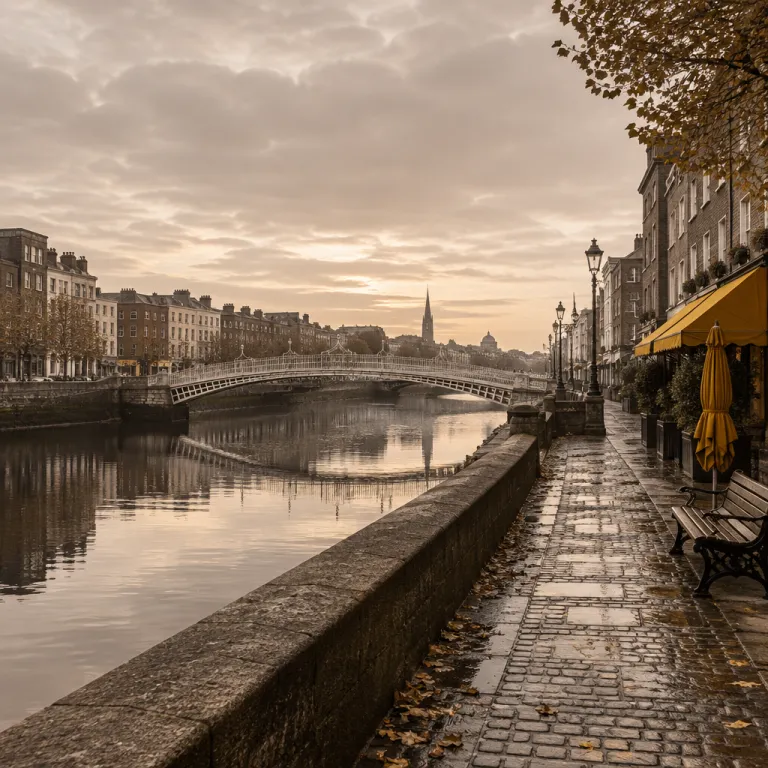
How post‑pandemic travel changed the best time to visit Dublin
The best time to visit Dublin now depends as much on post‑pandemic travel habits as on the weather. Travelers who once focused on a single peak season now spread their visits across the whole year, which has reshaped when hotels fill and when the city feels calm. If you plan to visit Dublin and want the best balance of price, atmosphere and flexibility, you need to read the new patterns carefully.
Before recent shifts, the classic advice for the best time was simple: arrive in late spring or early autumn and avoid the busiest summer weeks. Today, flexible remote work and pent‑up demand for travel mean that the city sees strong visitor numbers almost year‑round, especially from guests who want to explore Ireland at a slower pace. According to Fáilte Ireland’s 2023 tourism performance review, hotel occupancy in Dublin stayed above 80% for much of the year, which has made the question of the best time to visit Dublin more nuanced for anyone comparing hotel options across different months.1
According to local hoteliers and guidance from the Dublin Tourism Board on optimal times to visit the city, advice now includes a sharper focus on crowd levels and cost. Many visitors choose to visit Ireland outside the traditional summer season, using long weekends to enjoy the city with fewer cruise groups and fewer large coach tours. For hotel guests, this shift means that the best time to book can be several weeks earlier than before, especially if you want a river‑view room or a small‑group cultural tour included in your stay. As one duty manager at a central property near St Stephen’s Green notes, “our September Saturdays now sell out as fast as July.”
Weather, seasons and daylight hours when you visit Dublin
For most guests, the best time to visit Dublin starts with one question: what kind of weather do you tolerate? The city has a temperate maritime climate, which means mild temperatures but frequent showers at almost any time of year, so packing layers is more important than chasing a perfect forecast. If you plan to explore Dublin on foot and enjoy long evenings by the River Liffey, you should think in terms of daylight hours rather than just temperature charts.
During late spring and the early part of summer, average highs rise into the mid‑teens Celsius and the city feels fresh without being hot. By high summer, Met Éireann records average high temperatures around 20 °C in July, while June offers about 17 daylight hours, which many guests consider the best time for evening walks between their hotel and the Temple Bar district.2 This long light makes it easy to join a guided tour after a day of meetings or to visit the Guinness Storehouse before dinner without feeling rushed.
Winter in Ireland is rarely severe, but it is damp, breezy and dark early, which shapes how you will enjoy the city. January and February are often the cheapest time to visit Dublin for many hotel categories, with lower rates and fewer crowds, though you trade that value for shorter days and more frequent rain. Between summer and winter extremes, early autumn often delivers calm weather, softer light and a relaxed pace that many repeat visitors now call Ireland’s best compromise between comfort and cost.
Season by season guide to hotel stays in Dublin
Choosing the best time to visit Dublin for a hotel stay means weighing each season against your priorities. If you want to visit Ireland for lively streets, outdoor dining and a packed cultural calendar, the summer season from June to August will appeal, though you must accept higher prices and busier lobbies. Guests who prefer to explore Ireland in quieter conditions often shift their visit to late spring or early autumn instead.
From March to May, early spring in Dublin brings blooming parks, lighter evenings and a sense of renewal in the city. Hotel availability is usually better than in peak summer, and you can still join popular Ireland tours or a small‑group walking tour without booking months ahead, which makes this period a strong candidate for the best time to visit Dublin if you value flexibility. Many travelers use this shoulder season to explore the Guinness Storehouse, Trinity College and the Georgian squares before the largest tour groups arrive.
Autumn from September into early November offers another refined answer to the question of the best time. Early autumn in particular combines pleasant weather with reduced crowds, allowing you to enjoy long day trips into coastal County Dublin while returning to a calm city hotel each evening. Winter then becomes the specialist choice; it is not the best time for weather, but for value‑driven guests who want to visit Dublin and enjoy cosy lounges, festive lights and attentive service, the season has its own charm.
Key events, festivals and how they affect hotel demand
Events can transform an ordinary time of year into the busiest week of the calendar, so they matter when you decide on the best time to visit Dublin. The most famous example is Saint Patrick’s Day, when the city hosts parades, concerts and a festival atmosphere that fills hotels across the centre. If you want to experience Saint Patrick’s Day in Dublin, you must book your room and any preferred tour months in advance, because rates rise sharply and minimum stays are common.
Beyond Saint Patrick’s Day, the city hosts literary, food and music festivals that subtly reshape the best time for certain travelers. A summer festival in the Docklands or at Iveagh Gardens can make a particular weekend feel more vibrant, which some guests will enjoy while others prefer to avoid, especially if they want quiet nights. Checking the Dublin Tourism Board calendar before you visit Ireland helps you align your hotel booking with the level of activity you prefer.
Post‑pandemic, there is also a rise in smaller cultural events that attract niche audiences rather than huge crowds. Fáilte Ireland’s 2022 city‑break report notes that short themed weekends now account for a growing share of overnight stays in Dublin, especially among visitors booking directly with hotels.3 These guests often book small‑group Ireland tours, private whiskey tastings or themed walking tours, and they tend to stay in central districts so they can explore the city on foot. For you as a hotel guest, this means that the best time to visit Dublin for calm streets may not always match the official off‑season, because micro‑events can quietly fill specific dates even in what used to be low winter months.
Post pandemic hotel trends and how to time your booking
Hotel booking behaviour in Dublin changed significantly after the pandemic, which directly affects the best time to visit Dublin for value. Many guests now book closer to their travel dates, relying on flexible cancellation policies, so last‑minute demand can spike even in what used to be quiet weeks. Fáilte Ireland’s 2021 recovery insights highlight a marked shift toward shorter booking windows for city hotels, a pattern that Dublin properties continue to report.4 If you want the best mix of price and choice in Ireland’s capital, you should still secure your preferred property early, especially for central locations near the Guinness Storehouse or the main shopping streets.
There is also a clear rise in blended business and leisure travel, often called “bleisure”, which stretches the summer and late‑spring season into September. Professionals attend meetings during the day, then stay on to explore Dublin over a long weekend, which keeps occupancy high beyond traditional peak weeks and subtly shifts the best time for pure leisure guests seeking lower rates. This pattern means that early autumn is no longer a guaranteed bargain, though it remains an excellent time to explore the city with comfortable weather.
Smaller properties and family‑run guesthouses increasingly partner with local tour operators to offer packages that include Ireland tours or a curated city tour. These arrangements often feature small‑group experiences, such as guided visits to the Guinness Storehouse or half‑day excursions along Dublin Bay, which can sell out even when room availability looks healthy. When you plan your visit, think not only about the best time to arrive in Dublin but also about the best time to reserve any tours you consider essential to your stay.
Practical advice for choosing your own best time to visit Dublin
To decide on your personal best time to visit Dublin, start with your priorities and work backwards. If you care most about mild weather and long daylight hours for evening walks, then late spring and early summer are ideal, with June standing out for its exceptionally long days. Travelers who focus on budget and quiet streets will often find that the deep winter months offer the best time of year for low hotel rates, even if the weather is less inviting.
Think about how you like to explore Ireland as well as the city itself. Some guests prefer to base themselves in Dublin and join Ireland tours for day trips to Glendalough or the Boyne Valley, which makes a central location and reliable transport more important than the exact season, as long as roads are clear. Others want to visit Ireland as part of a longer circuit and use the capital as a starting point, in which case the best time to visit Dublin may simply be the first or last few days of a wider journey.
Whatever your style, remember that Dublin rewards slow travel and thoughtful planning. Use official tourism websites, Met Éireann climate summaries and trusted travel booking platforms to align your hotel dates with your preferred season, whether that is early spring, high summer or early autumn. If you match your expectations about weather, crowds and events with the realities of each time of year, you will enjoy a stay that feels like your own best version of the city rather than someone else’s checklist.
Key figures that shape the best time to visit Dublin
- Average high temperatures in July reach about 20 °C in Dublin, according to Met Éireann, which many travelers regard as comfortable for walking tours without summer heat fatigue.2
- June offers roughly 17 daylight hours in the city, based on Met Éireann data, giving visitors extended time to explore neighbourhoods and attractions after a day of work or sightseeing.2
- There are around 11 rainy days on average in August, again from Met Éireann, which illustrates why packing layers and waterproof shoes matters in every season.2
- January and February typically bring the lowest hotel prices and the smallest crowds, making them the cheapest time to visit Dublin for value‑focused guests who accept cooler, darker days.1
- July and August remain the busiest months for tourism, with peak occupancy in central districts, so travelers seeking quieter stays often shift their visit to late spring or early autumn instead.1
FAQ about the best time to visit Dublin for hotel stays
What is the cheapest time to visit Dublin for hotels
January and February usually offer the lowest hotel rates and the thinnest crowds, which makes this period the cheapest time to visit Dublin if you prioritise budget over weather. You should expect cold, damp conditions and shorter daylight hours, but you gain quieter streets and more attentive service. Many central properties also run winter promotions that include breakfast or late checkout.
When is Dublin’s peak tourist season for hotel demand
July and August form the peak tourist season in Dublin, with the highest hotel occupancy and the most crowded attractions. Warm weather, school holidays and major events combine to push rates up, especially in the city centre and near the Guinness Storehouse. If you must travel in this window, book early and consider midweek stays for slightly better value.
Is September a good time to visit Dublin for a city break
September is an excellent time to visit Dublin because it offers pleasant weather, reduced crowds and more balanced hotel prices. Many locals describe it as a gentle early autumn, with enough warmth for outdoor dining and park walks. For guests who want to explore Ireland from a Dublin base, it is often the best compromise between comfort and cost.
How far in advance should I book a Dublin hotel
For peak dates such as Saint Patrick’s Day or high‑summer weekends, you should book your Dublin hotel several months in advance to secure your preferred location and room type. During shoulder seasons like late spring or early autumn, a lead time of six to eight weeks is usually sufficient. In deep winter, last‑minute deals are more common, though specific small‑group tours may still require early reservations.
Which area of Dublin is best for first time visitors booking hotels
First‑time visitors often choose the city centre around St Stephen’s Green, Grafton Street or the River Liffey because these districts offer easy access to major sights and public transport. Staying central reduces travel time to landmarks such as Trinity College and the Guinness Storehouse, which is valuable when daylight hours are shorter. If you plan several Ireland tours or day trips, being near main rail and bus hubs like Connolly or Heuston stations is especially convenient.
1 Fáilte Ireland, Dublin tourism performance summaries and hotel occupancy reports, 2022–2023.
2 Met Éireann, Dublin climate averages for temperature, rainfall and daylight hours.
3 Fáilte Ireland, city‑break and events‑led travel insights, 2022.
4 Fáilte Ireland, post‑pandemic booking behaviour and recovery insights for urban hotels, 2021.