Why an Irish hotel restaurant named after coastal defence structures stands out
Choosing an Irish hotel restaurant named after coastal defence structures immediately signals a stay rooted in place. These evocative titles often reference a specific Martello tower, harbour fort, or stone battery that once guarded Ireland’s rugged shoreline, turning your meal into a quiet lesson in coastal history. In Dublin, where the city meets the sea within a short train ride, a dining room inspired by maritime defences can bridge urban energy and ocean calm.
Many travellers arrive in Dublin for its rich history yet sleep in hotels that could be anywhere in the world. When you book a hotel whose restaurant echoes a historic fort or harbour tower, you anchor your trip in the real city rather than a generic backdrop. This approach suits guests who value luxury and comfort but still want every building, corridor, and dining room to whisper stories of the past.
The main SEO phrase, an Irish hotel restaurant named after coastal defence structures, reflects a growing desire for meaning in travel. Guests want a hotel in Dublin that respects architectural heritage while serving modern cuisine in a refined dining room. If you are choosing between several hotels, the one that honours a local fort or coastal tower in its name often signals deeper engagement with Dublin’s maritime history.
How Dublin’s coastal defences shape hotel storytelling
Dublin’s shoreline is dotted with Martello towers, each small circular fort built to watch the sea. These coastal defence structures, from Dublin Bay to the island of Dalkey, now inspire hotel names, restaurant concepts, and even the layout of a dining room. When a property leans into this heritage, it usually draws directly on this network of towers and forts.
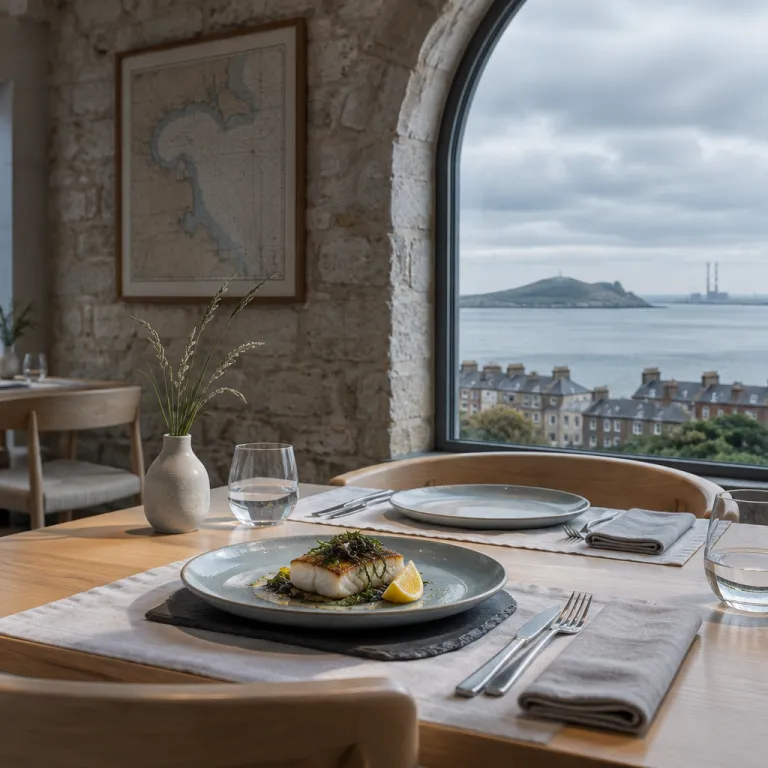
Inside such a hotel, you may notice curved walls echoing a tower, stone textures recalling a harbour fort, or artwork showing nineteenth‑century maps of the city and its coastal batteries. The Martello Tower restaurant at Fitzpatrick Castle Hotel in Killiney, for example, uses tower imagery and sea views to frame its menus, while coastal‑themed bars in Howth and Dún Laoghaire reference nearby headlands and harbour defences. These design choices turn a simple hotel restaurant into a narrative space where the history of Dublin’s shoreline quietly frames every plate.
For a traveller comparing hotels across Ireland, this kind of storytelling can be decisive. A luxury hotel that weaves coastal defence history into its restaurant name and décor often pays similar attention to service and cuisine. As Dublin hotelier Eoin Fitzpatrick remarked during a Fáilte Ireland heritage workshop, “Guests remember the story behind a tower‑inspired dining room long after they have forgotten the individual dishes.” When you see references to a specific fort, tower, or harbour in the menu or wine list, you know the team has thought carefully about place, season, and story.
From private residence to hotel: reimagining historic estates and houses
Across Ireland, many memorable hotels began life as a private residence, a manor house, or a country estate. In Dublin and nearby counties, some of these properties now host coastal‑themed dining rooms whose names recall nearby watchtowers or harbour bastions, even if the original building stood inland. The owners borrow the language of fort and tower to connect their historic house to the wider maritime story of the island.
In practice, this might mean a former manor house outside Dublin that names its dining room after a nearby coastal fort, then curates a menu inspired by harbour trade routes. Fitzpatrick Castle Hotel, once a private residence overlooking Dublin Bay, draws on the Martello towers of Killiney and Sandycove in its restaurant branding and artwork. Another hotel may occupy a Victorian era building in the city centre yet call its restaurant “The Tower Room” in homage to the Martello towers that once protected Dublin Bay. These choices blend the rich history of landed estates with the defensive architecture that shaped Ireland’s relationship with the sea.
Travellers who appreciate architectural heritage often seek hotels that respect the original building while adding contemporary comfort. When a former private residence becomes a park hotel or luxury hotel, the best conversions preserve period plasterwork, staircases, and façades. If the hotel restaurant name references a coastal fort or harbour tower, it signals that the team understands how to balance history, narrative, and modern hospitality.
Staying in Dublin’s historic city centre: where coastal stories meet urban life
For many visitors, the ideal base is a hotel in Dublin’s city centre, close to cultural landmarks yet still connected to the sea. Around St Stephen Green and Merrion Square, elegant townhouses and national institutions sit only a short train ride from the harbour at Dún Laoghaire. In this compact city, a dining room named for a Martello tower or harbour battery can feel surprisingly authentic, even when you are a minute walk from a busy tram stop.
Some of Dublin’s most characterful hotels occupy Georgian terraces that once served as a private residence for lawyers, merchants, or politicians. Today, these buildings may operate as independent hotels or form part of a park hotel collection, with a coastal‑inspired restaurant whose name nods to a fort, tower, or harbour defence. The contrast between refined plaster ceilings in the dining room and rugged coastal imagery on the walls creates a layered sense of place.
Guests who choose a luxury hotel near Merrion Square or St Stephen Green often value proximity to the National Gallery of Ireland, the National Museum, and a major art gallery or two. When the hotel restaurant name references a coastal fort, it subtly links Dublin’s cultural quarter to the wider island and its maritime defences. This blend of city sophistication and coastal history can make even a short stay feel unusually textured.
Irish history, America, and the pull of heritage for international guests
Travellers from the United States are often drawn to Ireland by family stories, films, and a fascination with the island’s past. For these guests, a Dublin hotel restaurant named for a fort or sea tower can act as a gentle primer on the history that shaped both the capital and America. The same harbour that once saw ships depart for the United States also required a ring of defences to guard its entrance.
Many Irish hotels now recognise that international visitors want more than generic luxury; they want context. A dining room that references a specific fort, a nineteenth‑century harbour battery, or a Victorian era tower can spark conversations about emigration, trade, and conflict. When staff are trained to explain the story behind the name, the restaurant becomes a living classroom rather than a neutral space.
Some properties take inspiration from the National Trust in the United Kingdom or the Landmark Trust, organisations known for preserving buildings with national historic significance. While Ireland has its own frameworks for protecting architectural heritage, the philosophy is similar: respect the building, tell its story, and keep it alive through sensitive reuse. As one conservation officer quoted in a Dublin City Council heritage report notes, “A carefully adapted hotel or restaurant can be one of the most effective ways to keep a historic structure in daily use.” When a Dublin hotel aligns itself with this ethos, especially in a dining room named after coastal defence structures, it reassures guests that heritage is being handled with care.
Practical tips for choosing a coastal‑inspired hotel restaurant in Dublin
When you start comparing options, look beyond the poetic name of a hotel restaurant that borrows from forts and towers. Ask how the hotel integrates the coastal defence theme into its menus, interiors, and guest experiences, rather than treating it as surface branding. A serious property will reference local history in staff training, printed materials, and perhaps even short walking guides to nearby harbour defences.
Location still matters, especially in a compact city like Dublin. If you want to balance coastal stories with urban convenience, focus on hotels in the city centre near St Stephen Green or Merrion Square, where you are often only a minute walk from major bus and tram routes. From there, you can reach the harbour at Howth or Dún Laoghaire easily, then return to a dining room whose name and design echo the towers and forts you have just seen.
For travellers who also enjoy sport and landscape, some Irish hotels outside Dublin combine a golf course, a restored manor house, and a restaurant named for nearby sea defences along the shore. These estates may not sit directly on the water, yet they frame the island’s maritime history through artwork, menus, and curated excursions. Whether you choose a city luxury hotel or a country park hotel, prioritise properties that treat history as a living asset rather than a decorative backdrop.
Key figures and context for heritage‑driven stays in Dublin
- According to Fáilte Ireland’s published tourism statistics, over 6 million overseas tourists visit Ireland annually, with a significant share including Dublin in their itinerary, which underlines the demand for hotels that offer a strong sense of place.
- Dublin City Council’s Record of Protected Structures lists more than 11,000 protected buildings within the city boundary, giving hotels abundant opportunities to occupy historic properties and reference local architectural heritage in their restaurant concepts.
- Heritage tourism accounts for an estimated 20–25 percent of visitor spending in Ireland, based on national tourism authority analyses, showing that guests are willing to pay more for hotels and hotel restaurants that foreground history.
- The Martello towers network once included around 50 structures along Ireland’s coast, with several in Dublin Bay, providing a rich source of names and stories for any Irish hotel restaurant drawing on coastal defence structures.
- Studies commissioned by national tourism bodies indicate that visitors from the United States stay longer on average than European guests, making them especially receptive to deeper storytelling about forts, towers, and harbour defences woven into hotel experiences.
FAQ about historically themed hotel restaurants in Dublin
Are there many Dublin hotels with restaurants named after forts or towers?
The number is growing, particularly among independent hotels and smaller luxury properties that occupy historic buildings. While not every hotel restaurant uses a fort or tower name, several in Dublin and along the nearby coast now draw on coastal defence structures for branding and storytelling. When researching, look for references to Martello towers, harbour forts, or specific headlands in the restaurant name or description.
Does a historic name guarantee an authentic experience?
A name alone does not guarantee authenticity, but it can be a useful signal. The most convincing coastal‑defence‑themed restaurant will explain the origin of the name on menus, in guest information, or through staff narratives. If the hotel can point you to the actual fort or tower that inspired the restaurant, you are more likely to enjoy a genuinely rooted experience.
Can I visit real coastal defence sites from a Dublin city centre hotel?
Yes, Dublin’s compact size and strong public transport make this easy. From hotels near St Stephen Green or Merrion Square, you can reach coastal areas such as Howth, Dún Laoghaire, or Sandycove by train in under an hour. Many guests spend the day exploring towers and harbour defences, then return to a hotel restaurant whose name and design echo what they have seen.
Are heritage‑focused hotels more expensive than standard options?
Rates at a luxury hotel in a protected building can be higher than at newer hotels, especially in peak season. However, the added value comes from staying in a place with rich history, distinctive architecture, and a hotel restaurant concept that reflects local stories. For many travellers, this depth of experience justifies the price difference compared with more anonymous properties.
How can I check if a hotel respects its historic building?
Look for clear references to conservation work, partnerships with heritage organisations, or recognition from bodies similar to the National Trust or Landmark Trust. Hotels that highlight restoration details, original features, and careful adaptations usually treat their architectural heritage seriously. Reviews that praise both comfort and character are another sign that the building’s past is being honoured rather than erased.
Sources
Fáilte Ireland tourism statistics and heritage tourism reports; Dublin City Council Record of Protected Structures and conservation publications; official Irish government tourism and heritage policy documents; publicly available information from Fitzpatrick Castle Hotel and other Dublin coastal hotels.