Choosing the right area in Dublin city centre for nightlife
Staying close to the city centre places you within walking distance of many of Dublin’s best evening experiences. For a refined overview of Dublin nightlife for visitors, focus on hotels between Trinity College, St Stephen’s Green, and the River Liffey, where streets feel lively yet still manageable at night. This compact part of Dublin, Ireland lets you reach most major pubs, restaurants, and cultural venues in under fifteen minutes on foot.
Temple Bar is the most famous nightlife quarter in the city, and many first time visitors want a room right beside its cobbled lanes and neon lit bar fronts. While the Temple Bar area offers constant live music and late night pubs, it can be noisy until the early hours, so some tourists prefer to sleep just outside the quarter and walk in when they want atmosphere. Look at addresses around Dame Street, George’s Street, or the south city centre quays if you want quick access to Temple Bar without the full intensity on your doorstep.
North of the River Liffey, the city centre around O’Connell Street and Parnell Street offers good value hotels with easy bus connections and a more local feel. South of the river, the streets around Grafton Street and Trinity College feel elegant and central, with a mix of classic pubs, wine bars, and late night cafés. When you compare these districts, the best choice for you depends on whether you want to step out of your hotel into a quiet street or straight into the heart of the nightlife.
Planning your evenings: timing, transport, and safety
Nightlife in Dublin usually builds gradually, so you can plan your day and evening around when venues become lively. Pubs in the city often start to fill from late afternoon, live music typically begins around 21.00, and clubs in the city centre reach their peak between midnight and 03.00. This rhythm matters when you book a hotel, because you may want a calm place to rest in the day before heading out to explore Dublin after dark.
Public transport supports this late schedule, with frequent bus services linking the wider city to the centre and many routes running late on weekends. A Leap Card is the most convenient way to pay for bus, tram, and train journeys, and it helps you move easily between your hotel and different nightlife districts across Dublin, Ireland. If you stay near a main bus corridor or tram stop, such as the Luas Green Line at St Stephen’s Green or the Red Line at Jervis, you can enjoy an evening out that includes quieter neighbourhood pubs as well as the central Temple Bar streets.
Dress codes in the city are generally relaxed, though some higher end venues prefer smart casual clothing. Local advice emphasises simple precautions such as staying with friends, using licensed taxis, and being mindful of personal belongings when streets are crowded at closing time. When you choose accommodation, ask whether reception is staffed all night and whether the walk back from the nearest pub or bar feels well lit and worth the short extra distance from the busiest corners of the city centre.
Classic Dublin evenings: pubs, live music, and Irish hospitality
Traditional pubs are the heart of any Dublin nightlife overview for tourists, and the city has hundreds of character filled options. Many visitors start in Temple Bar, where almost every pub offers live music, yet some of the most atmospheric evenings unfold in quieter streets just beyond this famous quarter. Look for historic Dublin pubs around South William Street, Baggot Street, or Capel Street, where locals and visitors share tables and conversations.
In these venues you will hear live music ranging from gentle acoustic ballads to energetic Irish folk sessions that invite clapping and dancing. Musicians, often playing fiddles, guitars, and bodhráns, perform most nights, and their sets usually begin around 21.00, which allows you to enjoy a relaxed dinner in the city centre first. For tourists staying in nearby hotels, this pattern makes it easy to step out for an hour of song, then return to your room without needing a late night bus or taxi.
Ordering a pint of Guinness or a glass of Irish whiskey at the bar is part of the experience, and staff are usually happy to recommend a local brew or a lesser known distillery. Many pubs also serve hearty food until early evening, so you can combine a meal with your first drink before moving on to another street or neighbourhood. When you compare options, the best Dublin evenings often come from mixing one or two famous addresses with smaller, family run pubs that reflect the city’s social history and warm hospitality.
Linking nightlife with Dublin’s cultural landmarks
One advantage of staying in the city centre is how easily you can combine daytime culture with evening entertainment. Many of the most important sights sit within a short walk of central hotels, which allows you to move smoothly from museum visits to relaxed dinners and then on to live music. This rhythm turns a simple Dublin nightlife guide for visitors into a full city experience that feels coherent and rewarding.
During the day you might visit Trinity College to see the Book of Kells, explore the Guinness Storehouse for an in depth look at brewing history, or tour the Jameson Distillery to understand how Irish whiskey is crafted. Each of these attractions lies close to the city centre, so you can return to your hotel to rest before heading back out to a nearby pub or bar on the same streets. For travellers interested in things to do in Dublin beyond nightlife, a morning at Kilmainham Gaol or a quiet hour in a national museum adds context to the stories you will hear later over a drink.
Many tourists also plan at least one day trip from Dublin, using the central bus and rail stations as starting points for coastal walks or countryside castles. After a day trip, returning to a familiar pub in the city centre or Temple Bar can feel especially comforting, as you reconnect with the rhythm of the city. When you choose your hotel, consider whether it offers easy access both to transport hubs for day trips and to the compact nightlife streets that make every evening feel worth the short walk.
Practical tips for hotel guests enjoying Dublin nights
For visitors staying in Dublin, Ireland, a few practical choices can transform your evenings from good to exceptional. When booking, check whether your room faces a busy street or an inner courtyard, because nightlife noise in the city centre can continue late, especially near Temple Bar. Many hotels will note quiet room options, which are worth requesting if you plan early starts for museum visits or day trips.
Ask reception staff for their best suggestions on nearby Dublin pubs, since they often know which places balance atmosphere with comfort for tourists. They can point you towards a traditional pub with live music, a modern bar with craft beer, or a relaxed lounge where you can sample Irish whiskey flights before walking safely back to your room. Staff may also advise on the quickest bus routes, whether a Leap Card suits your stay, and what time to leave venues to catch the last services across the city.
Payment is straightforward in most venues, with cards widely accepted at the bar and at tables, though carrying a small amount of cash remains useful. Tipping is appreciated but not mandatory, and many visitors simply round up the bill when they feel service has been warm and attentive. If you are unsure about local customs, remember the simple guidance from tourism information desks, which often summarise key points such as “Dress code is generally relaxed,” “Public transport operates late on weekends,” and “Be mindful of personal belongings.”
Balancing iconic hotspots with quieter Dublin neighbourhoods
Temple Bar will always appear in any Dublin nightlife guide for tourists, yet the wider city offers many alternatives that may suit hotel guests better. Areas such as Portobello, Stoneybatter, and the Grand Canal Dock combine residential streets with stylish pubs and restaurants, giving a softer, more local feel. Staying slightly beyond the busiest city centre blocks can provide calmer nights while keeping you within a short bus or taxi ride of the main action.
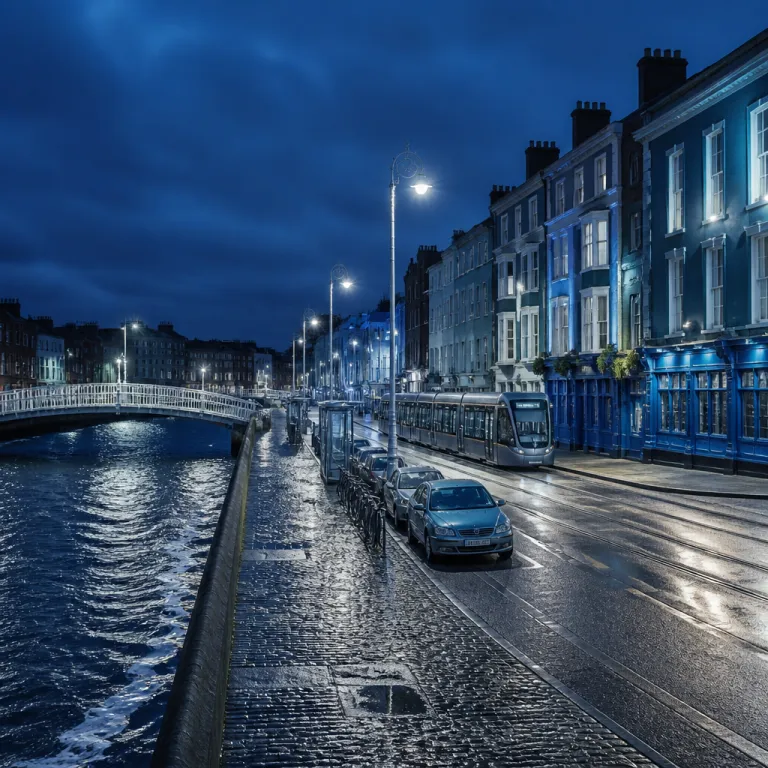
Along the River Liffey, both north and south quays now host a mix of traditional pubs, modern bar concepts, and late night food spots that attract a varied crowd. These stretches of street feel especially atmospheric at dusk, when lights reflect on the water and people drift between venues, often ending the evening with live music in a nearby pub. Hotels overlooking the river offer memorable views, though you may wish to request higher floors if you are sensitive to the sounds of nightlife below.
When you compare districts, think about how you like to spend each day and night, not only which area is considered the best in Dublin for parties. Some travellers prefer to visit city centre hotspots like Temple Bar for a few hours, then retreat to a quieter neighbourhood where the streets empty earlier. Others enjoy staying right in the centre, accepting a little extra noise in exchange for the freedom to step from lobby to bar in under two minutes at any time.
Key figures for Dublin nightlife and hospitality
- Dublin hosts around 772 pubs across the city, according to Dublin.ie’s hospitality statistics (accessed January 2024, “Dublin by Numbers – Hospitality”), which means hotel guests in the city centre are rarely more than a few minutes’ walk from a traditional pub or modern bar.
- Live music typically starts around 21.00 in many central venues, so visitors can comfortably enjoy a museum or day trip, dine near their hotel, and still reach performances in Temple Bar or nearby streets on time.
- Clubs in Dublin usually peak between midnight and 03.00, which is relevant when choosing between a quiet side street hotel and one directly above the busiest nightlife corridors.
- Public transport operates late on weekends, and using a Leap Card for bus and tram journeys helps tourists staying outside the immediate city centre reach nightlife districts efficiently and at lower cost.
FAQ: Dublin nightlife for hotel guests
What is the legal drinking age in Dublin?
The legal drinking age in Dublin, Ireland is 18 years old, and pubs, bars, and clubs will usually request identification if a guest appears younger. Hotel concierges often remind younger tourists of this rule when they ask for a concise Dublin nightlife overview. Carry a passport or official photo card if you expect to order Guinness, Irish whiskey, or cocktails during your visit.
Are there entry fees for pubs and bars in the city centre?
Most traditional Dublin pubs do not charge an entry fee, even in Temple Bar, though some venues may add a small cover charge when they host special live music events. Nightclubs in the city centre are more likely to request an entrance fee, especially at peak time on weekends. It is worth asking staff at your hotel reception which places usually remain free so you can plan your evening budget.
Is tipping customary in Dublin nightlife venues?
Tipping is appreciated but not mandatory in Dublin, and many locals simply round up the bill or leave a modest amount for good service. In pubs, it is common to leave change on the bar rather than a fixed percentage, while in restaurants a tip of around ten percent is considered generous. Hotel bars often follow the same pattern, so you can apply one simple approach throughout your stay.
Which central areas are best for tourists who want both culture and nightlife?
For a balance of museums, history, and evening entertainment, the streets around Trinity College, Grafton Street, and the south city centre are particularly convenient. From hotels in this area you can walk to the Book of Kells, the Guinness Storehouse, the Jameson Distillery, and many of the most atmospheric Dublin pubs in under twenty minutes. This makes it easy to enjoy things to do in Dublin such as Kilmainham Gaol or a River Liffey stroll by day, then return to the same compact city centre for dinner and live music at night.
Is it worth staying near Temple Bar or better to sleep farther away?
Staying directly in Temple Bar suits travellers who want nightlife on their doorstep and do not mind late night street noise. For many hotel guests, it is worth choosing a room a few streets away, perhaps closer to Dame Street or the north quays, where you can still walk to the pubs and bar lined lanes in minutes. This approach gives you the flexibility to enjoy the best Dublin nightlife areas when you wish, then return to a quieter base that supports early starts for day trips and cultural visits.
References
- Dublin.ie (official city information and statistics, including “Dublin by Numbers – Hospitality,” consulted January 2024)
- Fáilte Ireland (National Tourism Development Authority)
- National Transport Authority of Ireland