How hotel guests can navigate the best pubs in Dublin city
Staying in a central hotel in Dublin, Ireland places you within walking distance of some of the best pubs in Dublin city. The compact city centre means a guest can move from one historic Dublin pub to another in minutes, turning a simple evening drink into a gentle urban stroll past Georgian façades and cobbled street corners. With hundreds of licensed premises and bars registered across the wider city, careful planning helps you focus on the truly memorable Irish pub experiences rather than the merely convenient options.
Most visitors start by asking hotel concierges where to find the best pubs, and the answers usually balance atmosphere, safety and distance from your room. Around the city centre, especially south of the River Liffey, you will find a dense cluster of traditional Irish pubs, modern craft beer bars and music-focused venues, each offering a different style of food, drink and service. When you are short on time, prioritise a classic pint of Guinness, a glass of Irish whiskey and at least one venue with live music, because those three elements define many of the most memorable Dublin nights out for travellers.
Think of the city as a series of pub neighbourhoods, each with its own character and rhythm. Temple Bar is the most famous district, but the streets around Grafton Street, Dame Street and Baggot Street often deliver a more local crowd and a calmer pint of Guinness. By mapping these areas from your hotel, you can decide whether you want a quick bar near your lobby, a quiet Irish pub for a late-night drink, or a full evening route that links several of the best pubs in Dublin city.
Temple Bar versus quieter streets for an evening pint
Temple Bar is the name of both a single Temple Bar pub and the wider cultural quarter, and hotel guests often assume it is the only place for nightlife in Dublin. The area’s cobbled street network is lined with pubs Dublin visitors recognise from postcards, where live music spills out of open doors and every bar offers a pint of Guinness alongside Irish music sessions. It is lively, colourful and convenient, but prices for food, drink and cocktails can be higher than in other parts of the city centre.
For many travellers, one drink in Temple Bar is enough to say they have experienced this famous Dublin Ireland district, before they move on to more locally focused streets. Walk ten minutes towards Dame Street or South Great George’s Street and the atmosphere changes, with a mix of office workers, students and long-term residents filling the bars and pubs. In these areas, you are more likely to find a good balance of traditional Irish interiors, quality Guinness and space to talk, which can be ideal when you want to share stories with friends or colleagues after a long travel day.
Hotel guests who value sleep should also consider noise when choosing between Temple Bar and quieter streets. Rooms directly above or beside a busy bar in this quarter can feel the bass of live music until late, while hotels a few blocks away still allow you to walk to the best pubs but return to a calm lobby. Ask your hotel team whether their windows face a main street or a courtyard that opens window views onto quieter lanes, because that small detail can transform your impression of Dublin pubs.
Historic Dublin pubs every hotel guest should know
Some of the best pubs in Dublin city are also living museums, where the wood panelling and etched glass have witnessed centuries of conversation. The Brazen Head, often cited as one of the oldest Dublin pubs, stands just west of the city centre and rewards the short taxi ride from most hotels with low ceilings, stone walls and a courtyard that feels far from the modern bar scene. The pub itself highlights a heritage dating back to 1198, although historians note that the exact founding date is debated, so it is safest to treat that year as part of its traditional story rather than a confirmed fact.
Closer to many central hotels, The Palace Bar on Fleet Street, Kehoe’s off Grafton Street and Mulligan’s on Poolbeg Street each represent a different chapter in Dublin Ireland pub history. The Palace Bar is a Victorian-era bar where journalists once traded stories, Kehoe’s is famous among Dublin pubs for its snug rooms and award-winning Guinness, while Mulligan’s has a reputation for one of the cleanest-tasting pints in the city. John Kavanagh’s, known locally as The Gravediggers beside Glasnevin Cemetery, requires a short bus or taxi ride, but many locals consider it among the best places in Dublin for a perfectly poured pint and a quiet chat.
Hotel guests who enjoy architecture will appreciate how these historic pubs Dublin wide contrast with more modern venues. The Long Hall on South Great George’s Street, with its red and white exterior and ornate interior, and The Stag’s Head off Dame Street, with its stained glass and carved wood, both show how a bar can be both functional and beautiful. When you step into these classic pubs, take a moment before your drink to look up at the ceilings and mirrors, because the details tell as much of a story as the Irish whiskey bottles behind the counter.
Pairing food, drink and live music with your hotel plans
For many visitors, the best pubs in Dublin city are those where food, drink and live music come together in a single evening. After a day of sightseeing or meetings, hotel guests often want a hearty plate of traditional Irish food, a well-poured pint and a seat close enough to hear Irish music without shouting. Many Dublin pubs now offer menus that range from beef and Guinness stew to seafood chowder and vegetarian options, allowing you to make a pub your main dinner destination rather than just a quick drink stop.
O’Donoghue’s on Merrion Row is a classic example of an Irish pub where live music and history meet, known as the birthplace of The Dubliners and still hosting regular sessions. On many nights, musicians gather from around 21.00, and its location near several city centre hotels makes it easy to plan an evening where you walk from your lobby to the bar, enjoy a pint of Guinness while the tunes build, then return on foot without needing a taxi. When checking in, ask reception which nearby pubs Dublin residents favour for Irish music, because staff often know which nights are best for quieter ballads or more energetic reels.
Guests who visit the Guinness Storehouse during the day can extend the theme by comparing the pint they drink in the Gravity Bar with one poured later in a traditional Dublin pub. Some travellers like to keep a mental note of where they tasted their best Guinness, whether it was in a busy Temple Bar venue, a hidden side street bar or a historic room like The Long Hall. By the end of your stay, you may find that your favourite drink memory is tied as much to the company you share and the music you hear as to the exact flavour of the pint itself.
Designing a safe and enjoyable pub route from your hotel
Thoughtful planning helps hotel guests enjoy the best pubs in Dublin city while staying safe and comfortable. Start by mapping a simple loop from your accommodation that includes two or three Dublin pubs, ideally mixing one historic Irish pub, one venue known for live music and one quieter bar for a final drink. This approach lets you experience different atmospheres without spending too much time walking long distances or searching unfamiliar streets late at night.
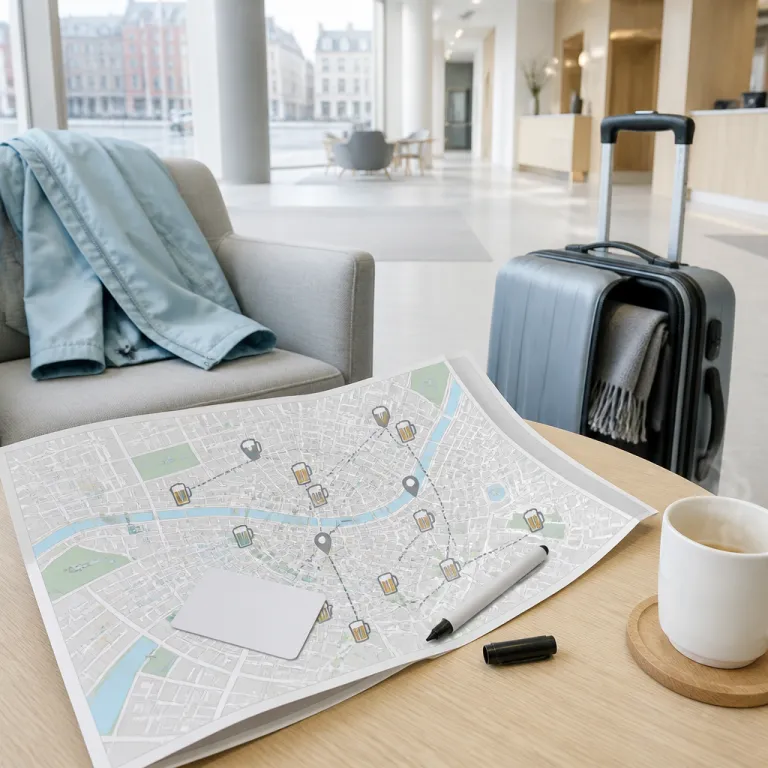
Many central hotels keep printed maps that highlight the city centre and key landmarks, which you can mark with your chosen stops. As a sample route, a guest staying near St Stephen’s Green might walk five minutes to Kehoe’s off Grafton Street, continue another five minutes to The Long Hall on South Great George’s Street, then finish with a ten-minute stroll to The Palace Bar on Fleet Street before returning to the hotel in about fifteen minutes. Ask staff to point out well-lit routes and busy thoroughfares, such as Grafton Street, Dame Street and O’Connell Street, which remain active into the evening and make navigation easier.
Time management also matters when planning a night around the best pubs. Many visitors like to start early, perhaps with a pre-dinner pint of Guinness around 17.00, then move to a food-focused Irish pub before finishing in a music-led bar. Ending your route within a short walk or a brief taxi ride of your hotel means you can step out of the lively city and back into a quiet lobby in minutes, which is especially welcome after a long day exploring Dublin Ireland.
Connecting hotel stays with authentic local pub culture
Choosing a hotel in the right part of Dublin can open a window onto authentic local pub culture rather than only tourist-focused venues. Properties near the south city centre often sit between Temple Bar and more residential streets, giving guests the option to visit both the famous Temple Bar area and quieter neighbourhood bars in a single stay. When you book, look at a map to see how many Irish pub options sit within a ten-minute walk, because that simple check can shape your entire evening routine.
Engaging with staff and locals is one of the best ways to understand which Dublin pubs suit your style. Bartenders are usually happy to recommend another bar for a different type of music or a better whiskey selection, and fellow guests may share tips on where they found the best Guinness or the friendliest crowd. As one local guide puts it, “Visit during off-peak hours for a relaxed experience,” and that advice applies equally to a busy Temple Bar venue or a hidden side street pub.
Over several nights, you may notice how each pub reflects a different side of Dublin Ireland, from the literary history of The Palace Bar to the working-class roots of Mulligan’s or the community feel of John Kavanagh’s. The more you return to the same Irish pub, the more it becomes part of your personal map of the city, turning a simple drink into a ritual that anchors your travels. In the end, the best pubs in Dublin city for hotel guests are those where you feel comfortable enough to linger, to share a story and to watch the rhythm of the city unfold around your table.
Key figures that frame Dublin’s pub landscape
- Recent Dublin City Council licensing data indicates that there are several hundred pubs across the wider Dublin area, which means hotel guests can choose from a broad range of Dublin pubs and bars without leaving the city limits. Exact counts change as licences are granted or lapse, so official registers are the most reliable source for up-to-date figures.
- The average price of a pint of Guinness in Dublin is commonly reported at around 6.5 EUR in recent Irish Consumer Price Index and hospitality surveys, though individual venues may charge more or less. Taken together with typical snack prices, this suggests that a couple of pints and a light food-and-drink snack in a central Irish pub often cost between 15 and 20 EUR.
- Historic venues such as the Brazen Head, which advertises origins dating back to the late twelfth century, sit alongside nineteenth-century bars like The Palace Bar and Kehoe’s, giving visitors access to more than two centuries of continuous pub culture in a single city centre walk. Because early records are incomplete, historians treat the exact 1198 date with caution, but agree that the site has a long-established tavern tradition.
- With many hotels located within a radius of less than 1 km from Temple Bar, most guests can reach at least a dozen of the best pubs in Dublin city on foot in under fifteen minutes. Tourism maps from Fáilte Ireland and city transport guides are useful tools for checking walking times and planning efficient routes.
FAQ: practical questions hotel guests ask about Dublin pubs
Which is the oldest pub in Dublin and is it worth the trip from my hotel?
The Brazen Head, which promotes a heritage dating to 1198, is widely regarded as one of the oldest pubs in Dublin and remains a worthwhile visit from most central hotels. A short taxi or bus ride brings you to its stone-walled rooms and courtyard, where you can enjoy a pint of Guinness and traditional Irish dishes in a setting that feels far older than the surrounding city. Because the precise founding year is disputed, official tourism and local history sources usually describe it as one of Dublin’s oldest licensed premises rather than confirming a single date.
Do Dublin pubs serve food or should I eat at the hotel first?
Many Dublin pubs serve substantial food, ranging from classic fish and chips to slow-cooked beef and Guinness stew, so you can comfortably dine in a pub instead of the hotel restaurant. Menus vary, with some bars focusing on snacks while others offer full dinners, especially in areas popular with visitors. If food is important to you, ask your hotel to recommend a nearby Irish pub known for good food and drink rather than relying on chance.
Is live music common in Dublin pubs near major hotels?
Live music is a regular feature in many central Dublin pubs, particularly around Temple Bar, Merrion Row and certain streets off Grafton Street. Some venues host Irish music sessions every night, while others schedule bands on specific evenings, so it is wise to check times in advance. Hotel concierges often keep up-to-date lists of which options offer live music on each day of the week.
How much should I budget for a night out in Dublin pubs?
For a typical evening in the best pubs in Dublin city, many hotel guests allow for two or three drinks and perhaps a shared plate of food. With the average pint of Guinness costing around 6.5 EUR in recent price reports, a reasonable budget for a relaxed night in the city centre is between 30 and 50 EUR per person. Costs rise in the busiest Temple Bar venues and fall slightly in more local neighbourhood bars, so ask staff for guidance if you are watching your spend.
Can I easily walk back to my hotel from most central pubs?
Hotels in the core city centre are usually within walking distance of several Dublin pubs, and many guests enjoy returning on foot along well-lit streets. If you are staying further out, taxis are widely available near major bar clusters such as Temple Bar, Dame Street and O’Connell Street. For peace of mind, note your hotel address before you go out and ask staff which routes they recommend for a safe and straightforward walk back.
Trusted references for further planning
For more detailed background on individual pubs and current opening hours, consult recent Dublin City Council licensing publications, Irish Consumer Price Index reports from the Central Statistics Office and official tourism information from Fáilte Ireland. These primary sources are updated regularly and provide the most reliable figures on licence numbers, price trends and visitor guidance for Dublin Ireland.