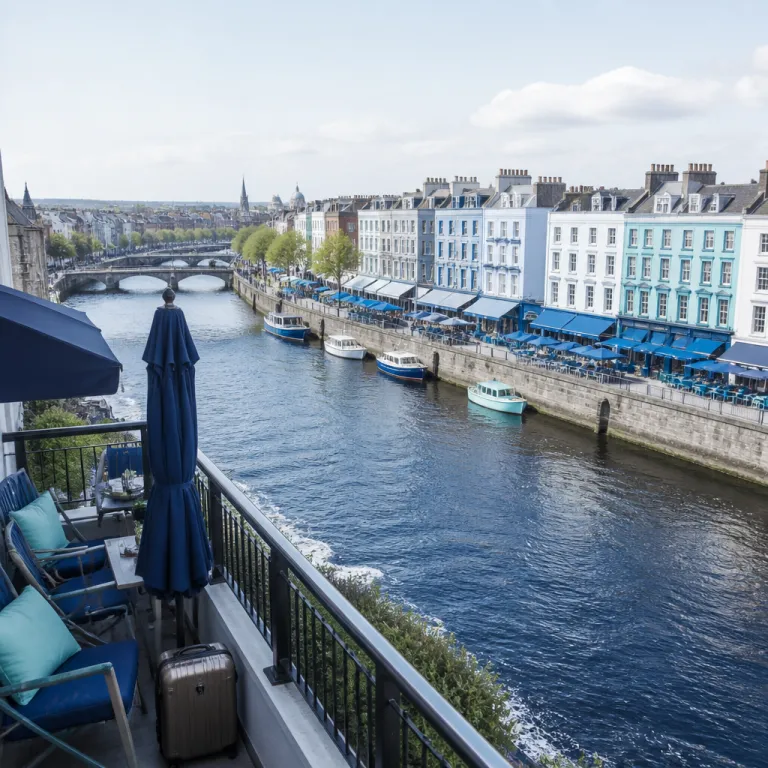
How hotel guests can navigate the best restaurants in Dublin Ireland
Staying in a central hotel places you within walking distance of many of the best restaurants in Dublin Ireland. From the northside around Parnell Square to the southside near Merrion Street and St Stephen’s Green, the city offers refined food and relaxed dining within a compact Dublin city core. When you plan your visit, think about how each restaurant Dublin choice will complement your hotel location, your wider itinerary, and the time you want to spend exploring on foot.
Concierges in Dublin Ireland now act as culinary curators, steering guests toward places Dublin locals actually frequent rather than only tourist favourites. As one front-desk manager near the quays put it, “we’d rather send guests to the spots we eat in ourselves than to a generic tourist trap.” Ask for two or three contrasting options, such as a Michelin-starred restaurant, a relaxed wine bar, and a neighbourhood spot known for excellent Dublin food and good coffee. This mix lets you experience both fine dining and casual food-and-drink culture without spending your entire stay in taxis across the city or wasting time on trial and error.
Before you leave your room, check each restaurant website for the current menu and price range so there are no surprises. Many of the top Dublin restaurants publish seasonal food-and-wine pairings online, which helps you decide whether to reserve for lunch or dinner and whether a tasting menu suits your plans. When a place looks fully booked, call directly from your hotel phone, as last-minute tables often open due to cancellations or slight changes in party size.
Guests who value efficiency should group reservations by neighbourhood within Dublin city. One evening might focus on the city centre around Grafton Street and Merrion Row, while another explores the quays and the streets leading toward Smithfield for more relaxed restaurants Dublin options. This approach keeps travel time short, reduces transport costs, and leaves more space for lingering over a glass of wine or a final coffee in a nearby bar.
For those arriving late, ask your hotel which restaurant Dublin options stay open later than usual. Some kitchens in the city centre now serve a trimmed menu until around 22.00, often focusing on simple fish dishes, charcuterie, or elevated fish and chips. A well-chosen late service can still feel like great dining rather than an afterthought, especially when paired with a thoughtfully selected glass of wine and unhurried, friendly service.
Michelin starred excellence near Dublin’s leading hotels
Among the best restaurants in Dublin Ireland, Chapter One by Mickael Viljanen stands out for guests staying near Parnell Square. This Michelin-starred restaurant sits at 18–19 Parnell Square, a short walk from several luxury hotels in Dublin city and a brief taxi ride from the main city centre. Expect a tasting menu that celebrates Irish produce with precise technique, making it one of the Dublin best options for a special occasion or celebratory trip.
On the southside, Restaurant Patrick Guilbaud beside Merrion Street is another Michelin-starred landmark that hotel concierges recommend first. Its contemporary French-inspired food-and-wine combinations attract travellers who appreciate formal service, a deep wine list, and a calm dining room. The price range is at the upper end for any restaurant Dublin offers, but the experience rewards those seeking truly fine dining in Ireland and a sense of occasion.
Liath in Blackrock, just outside central Dublin, is worth the short journey for guests willing to leave the immediate city centre. Located on Main Street in Blackrock, this Michelin-starred restaurant offers an intimate room and a menu that changes frequently, showcasing creative Dublin food with global influences and playful presentations. Many hotel teams will help you arrange a taxi or DART schedule so the visit feels seamless from door to door and you return without stress.
These three Michelin-starred addresses illustrate how Dublin Ireland has evolved into a serious destination for gastronomy. According to the Michelin Guide 2024, the city and its coastal suburbs now host multiple starred venues, underlining its status as a compact but ambitious culinary hub. Each restaurant website outlines tasting menu formats, dietary policies, and booking windows, which is essential when planning from your hotel room. Because demand is strong, reservations should be made well before your visit, especially for weekend dining or when you hope to celebrate a milestone such as an anniversary or birthday.
For hotel guests who prefer a slightly more relaxed atmosphere while still seeking some of the best restaurants, Etto on Merrion Row offers a modern European approach. Its compact dining room, concise menu, and thoughtful food-and-wine pairings make it ideal for a pre-theatre dinner or a long lunch. As one regular hotel guest put it after a midweek visit, “Etto felt like fine dining without the formality,” thanks to cooking that is deeply rooted in Irish ingredients and seasonal produce.
Where to enjoy authentic Irish flavours, from fish to modern comfort food
Many travellers arrive in Dublin Ireland hoping to taste traditional dishes prepared with modern finesse. Fish Shop on Queen Street in Dublin 7 is a prime example, focusing on sustainable fish and shellfish in a relaxed setting that still feels carefully curated. Here you can enjoy some of the city’s best fish with crisp batter, refined sauces, and a short but well-chosen wine list that favours bright, food-friendly bottles.
For those craving classic fish and chips, ask your hotel for directions to trusted local counters rather than only the busiest tourist spots. Some of the best restaurants in Dublin Ireland for this simple pleasure are slightly removed from the main city-centre streets, where queues are shorter and the batter stays crisp. Pair your fish and chips with a local craft beer or a glass of wine for a more grown-up take on a familiar comfort food that still feels distinctly Irish.
Irish cooking today is about more than stews and soda bread, and Dublin food culture reflects that shift. Menus across the city highlight grass-fed beef, native oysters, and vegetables from small farms, often listed by name on the menu. When you read a restaurant website, look for references to Irish producers, as this usually signals a kitchen that treats ingredients with respect and cooks in tune with the seasons.
Hotel guests staying near the river can easily reach Queen Street, Smithfield, and Stoneybatter, where several restaurants Dublin locals love serve modern comfort dishes. Expect plates built for sharing, such as grilled fish, slow-cooked lamb, and seasonal salads that balance richness with freshness. These neighbourhoods also offer good coffee and relaxed bar spaces, ideal for a slower evening after a day of sightseeing or museum visits.
Even in more touristy areas like Temple Bar, it is still possible to find a restaurant Dublin residents endorse. Look for shorter menus, clear price-range information, and staff who can speak confidently about both food-and-drink options and local suppliers. When these elements align, you are likely sitting in one of the Dublin best places to taste contemporary Irish cooking rather than a generic tourist venue with little sense of place.
Wine bars, Library Street, and refined food drink pairings
Guests who appreciate thoughtful food-and-wine pairings will find Dublin city increasingly rewarding. The rise of the modern wine bar has transformed how locals and visitors dine, allowing you to graze through small plates instead of committing to a long tasting menu. This style suits hotel guests who may be tired from travel yet still want to experience some of the best restaurants in Dublin Ireland in a more flexible way and at a gentler pace.
Loose Canon, a much-talked-about wine bar, has become a reference point for natural wine in the city centre. Its shelves showcase bottles from small European producers, while the food focuses on cheese, charcuterie, and a few seasonal plates that highlight excellent ingredients. Many hotel concierges now suggest Loose Canon as a first stop for guests who want to understand current Dublin food and wine culture in a single evening without a formal reservation.
Nearby, Library Street has earned a reputation as one of the Dublin best addresses for convivial dining built around sharing plates. The restaurant’s open kitchen and energetic room encourage guests to order several dishes for the table, moving from vegetables to fish to meat with ease. Its menu changes frequently, but the emphasis on Irish produce and clever food-and-drink combinations remains constant and keeps regulars returning.
Along Camden Street, a growing cluster of restaurants Dublin residents favour offers everything from casual pizza to refined small plates and serious cocktails. This area is easily reached from many hotels on the southside, either on foot or with a short taxi ride. Because several venues sit close together, you can start with a glass of wine in one bar, enjoy dinner in another restaurant Dublin option, then finish with coffee or a nightcap nearby without needing to cross the whole city.
When planning from your hotel room, use each restaurant website to check whether reservations are essential or if walk-ins are welcome. Wine-focused venues often keep some seats for spontaneous guests, which is helpful when your schedule changes after a long day. By mixing a structured reservation at Library Street with a more relaxed stop at a wine bar like Loose Canon, you create a balanced evening that still feels curated and true to the city’s dining rhythm.
Beyond the city centre: coastal dining from Dun Laoghaire to Blackrock
Some of the best restaurants in Dublin Ireland sit just beyond the immediate city centre, along the coast toward Dun Laoghaire and Blackrock. For hotel guests, these short excursions offer a change of scenery without demanding an entire day trip. The DART rail line makes it simple to leave Dublin city, enjoy sea air, and return in time for a nightcap at your hotel bar or a final stroll through the centre.
Dun Laoghaire, a harbour town south of Dublin, has become a relaxed base for seafood-focused dining. While not every restaurant here is Michelin-starred, several offer very good fish dishes, local crab, and carefully sourced shellfish at a more approachable price range than some central venues. Ask your hotel to recommend a restaurant Dublin locals mention for its fish and chips, then plan a stroll along the pier before or after your meal to frame the experience.
Blackrock, home to Liath, combines coastal charm with serious gastronomy, making it a compelling visit for discerning hotel guests. You might spend the afternoon exploring the seafront and local market before settling into one of the area’s best restaurants for a long dinner. Because Liath is a Michelin-starred destination, reservations are essential, and your hotel équipe will usually help secure them well in advance to match your schedule.
When leaving central Dublin Ireland for dinner, consider how the timing fits with public transport or taxi availability. Early evening trains to Dun Laoghaire and Blackrock are frequent, but late returns may require a pre-booked car, especially after fine dining with generous wine pairings. Many hotels maintain trusted taxi partners, which adds a layer of safety and comfort after an indulgent meal and avoids waiting on the street.
Coastal restaurants Dublin visitors favour often highlight Irish seafood, from simply grilled fish to more elaborate tasting menus. Menus tend to be shorter than in the city centre, reflecting a focus on what is freshest that day. For hotel guests who value both scenery and serious food-and-drink experiences, these coastal trips can become the most memorable meals of a stay and a welcome contrast to busy city streets.
Practical booking strategies for hotel guests seeking Dublin’s best
Securing tables at the best restaurants in Dublin Ireland requires a little planning, especially for hotel guests with limited nights in the city. The most effective approach combines early online reservations with the local knowledge of your concierge or front desk équipe. This partnership ensures you experience both headline Michelin-starred venues and under-the-radar restaurants Dublin residents quietly cherish and revisit.
Start by identifying one or two must-visit addresses, such as Chapter One, Restaurant Patrick Guilbaud, or Library Street, then check each restaurant website for booking windows. Many open reservations a set number of days in advance and release cancellations at specific times, which can be crucial information when your travel dates are fixed. Once those anchors are in place, fill remaining evenings with more flexible options like a wine bar on Camden Street or a relaxed restaurant Dublin choice near your hotel.
Price range is another factor hotel guests should consider carefully when mapping out Dublin food plans. A Michelin-starred tasting menu with extensive food-and-wine pairings might suit one night, while the next evening could focus on simpler fish dishes, shared plates, and a single bottle of wine. Balancing these experiences allows you to enjoy the Dublin best dining without overwhelming either your schedule or your budget or missing other cultural activities.
When you have specific dietary needs, contact the restaurant directly rather than relying only on online forms. Most high-end kitchens in Dublin city can adapt menus for allergies or preferences when they receive clear notice, and many outline their approach to dietary requirements on their websites. This direct communication builds trust and gives the team time to design a menu that still reflects the spirit of their cooking and avoids last-minute compromises.
Finally, remember that tipping customs in Dublin Ireland differ slightly from some other destinations, with 10–15 percent considered appropriate for good service in sit-down restaurants. Many hotel guests choose to add this to the card payment rather than leaving cash, especially after fine dining. By understanding these details, you can relax into each meal, confident that you are engaging with the city’s restaurants in a respectful and informed way and leaving staff appropriately rewarded.
Key figures about Dublin’s high end dining scene
- As of the 2024 Michelin Guide, Dublin and its nearby coastal suburbs host several Michelin-starred restaurants, placing the city among the leading dining destinations in Ireland for concentrated high-end gastronomy.
- The core Dublin city area can be crossed on foot in around 30 minutes, which allows hotel guests to reach many of the best restaurants in Dublin Ireland without relying on taxis for every meal.
- Typical tipping in restaurant Dublin venues ranges from 10 to 15 percent of the bill for good service, aligning with common practice across much of Ireland’s urban dining scene.
- Key fine-dining addresses such as Chapter One by Mickael Viljanen and Restaurant Patrick Guilbaud often release reservations several weeks in advance, so hotel guests planning short visits should book as early as possible.
FAQ: dining in Dublin for hotel guests
Do top Dublin restaurants accommodate dietary restrictions?
Most of the best restaurants in Dublin Ireland can accommodate dietary restrictions when informed in advance. Contact the restaurant directly by phone or through its website and specify your needs clearly. High-end kitchens in Dublin city are accustomed to designing alternative menus that still reflect their style and maintain a sense of occasion.
Is tipping expected in Dublin restaurants and wine bars?
In Dublin Ireland, tipping is customary but not obligatory, with 10 to 15 percent considered appropriate for good service. Many guests add the tip to their card payment rather than leaving cash on the table. In more casual bar settings or coffee spots, rounding up the bill is usually sufficient and considered polite.
How far in advance should hotel guests book fine dining venues?
For Michelin-starred restaurants Dublin offers, reservations should be made several weeks ahead, especially for weekend evenings. Popular places like Chapter One, Restaurant Patrick Guilbaud, and Liath often fill quickly once booking windows open. Your hotel concierge can sometimes secure last-minute tables through established relationships, but advance planning remains the safest approach.
Are Dublin’s high end restaurants suitable for families?
Some fine-dining rooms in Dublin city welcome children, while others are better suited to adults. It is wise to check the restaurant website or call directly to ask about age policies, high chairs, and menu flexibility. For more relaxed evenings with younger guests, consider earlier sittings, casual restaurants Dublin locals use daily, or venues with open kitchens and sharing plates.
What is the best area to stay for easy access to restaurants?
Hotels in the city centre around St Stephen’s Green, Merrion Street, and the quays offer the easiest access to a wide range of restaurant Dublin options. From these locations you can walk to many of the best restaurants in Dublin Ireland, including Etto, Library Street, and several notable wine-bar addresses. Areas near public transport also make it simple to reach coastal dining in Dun Laoghaire and Blackrock for lunch or dinner.