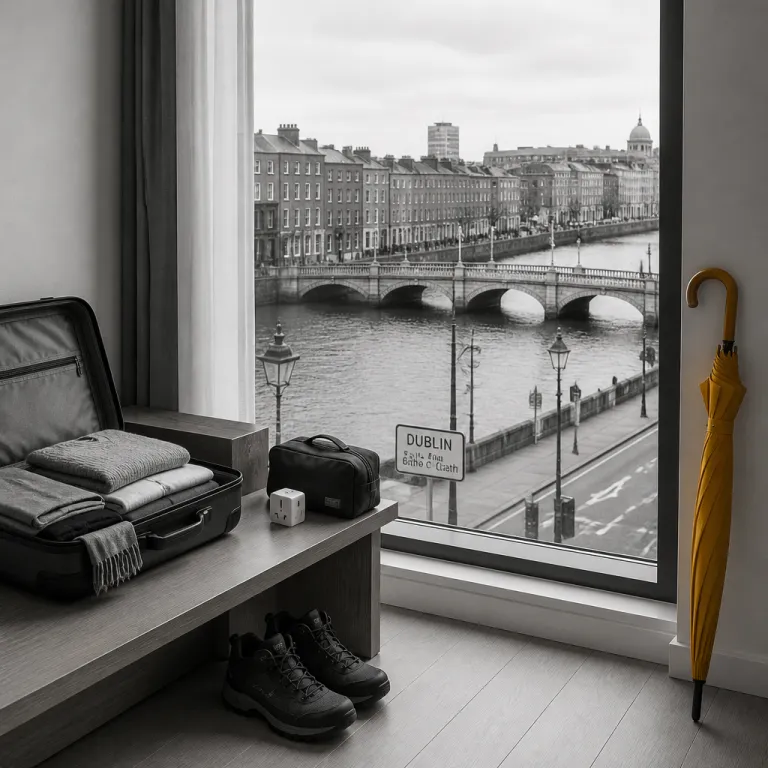
Understanding Dublin weather before you book your hotel
Dublin rewards thoughtful packing because the weather can shift quickly. Average annual rainfall in this part of Ireland reaches about 730 mm, so what you bring will shape how relaxed you feel walking between your hotel and the city’s main sights. When you start planning what to pack for a Dublin trip, think less about single outfits and more about flexible layers that adapt across several days.
Met Éireann climate data indicates that a typical August Ireland travel temperature hovers around 15 °C, yet a bright morning can turn to steady rain by late afternoon. That is why any serious Ireland packing strategy must prioritise a waterproof jacket, light waterproof trousers, and a compact rain layer that fits into a small day bag for city tours. When guests ask which essentials they should prioritise, I always say that a smart packing list for Dublin balances warmth, breathability, and protection from rain rather than heavy winter gear.
The city’s maritime climate means you will rarely face extreme cold, but you will often meet damp pavements and gusty showers. For a short trip of three or four days, pack outfits for Ireland built around a base of long sleeve tops, a mid weight jacket, and comfortable walking shoes that can handle wet cobblestones. If your Ireland tour extends into Northern Ireland for coastal or cliffside walks, you will be grateful you chose waterproof shoes or even light hiking boots instead of delicate city footwear.
Core clothing: layers, jackets and trousers that work from lobby to pub
Hotel guests in Dublin move constantly between warm interiors and breezy streets, so layering is the quiet luxury that keeps you comfortable. Start your Ireland packing plan with breathable long sleeve T shirts or thin merino knits, then add a lightweight fleece or cardigan that you can remove easily once you step back into your hotel lobby or a crowded pub. Over these, a well cut waterproof jacket becomes the single most important piece you bring, because it lets you enjoy outdoor tours without worrying about sudden rain.
For trousers, choose dark denim, chinos, or tailored waterproof trousers that look polished enough for a hotel bar yet practical for a coastal tour day. Many travellers underestimate how much rain will fall during a typical Ireland travel stay, so they pack only one pair of jeans and regret it when they never fully dry. A refined Ireland wardrobe might include two pairs of trousers, one pair of waterproof trousers for active days, and a smarter option for dinners, all of which should coordinate with your chosen long sleeve layers.
Women and men alike should think about how their clothing moves from breakfast to evening without needing a full outfit change. A simple dress or smart shirt layered under a waterproof jacket works for a Guinness Storehouse tour, a stroll along the River Liffey, and a relaxed dinner back at your hotel restaurant. When you prepare your personal Ireland packing list, ask which combinations will let you dress up or down with only a change of shoes or an added scarf.
Footwear for cobblestones and coastal air: shoes and boots that earn their place
Dublin is a walking city, and your choice of shoes will decide whether you remember charming streets or sore feet. The best packing list for an urban Ireland tour always includes at least one pair of cushioned walking shoes with good grip for wet pavements and hotel staircases. If you plan what to pack for Dublin trip activities around city strolls, museum visits, and gentle park walks, those walking shoes may be all you need for most days.
However, travellers who extend their Ireland travel plans to coastal paths or day tours into Northern Ireland should add sturdier footwear. Lightweight hiking boots or ankle boots with a waterproof finish protect your ankles on uneven ground and keep your socks dry during sudden rain, which is common along the Causeway Coast or the Wicklow Mountains. When you pack clothing for such mixed itineraries, consider whether your boots can also pass in a casual hotel lounge, because multi use pieces reduce luggage weight without compromising comfort.
For wetter seasons, rain boots or waterproof boots earn their space in your suitcase, especially if you enjoy long day walks. Some guests prefer small foldable rain boots that slip into a day bag, allowing them to change footwear once the rain starts during a tour. Whatever you bring, avoid brand new shoes on this trip; break in your walking shoes and hiking boots at home so that your carefully planned Ireland packing strategy is not undone by blisters on the very first day.
Smart accessories: day bag, adapters and small essentials every hotel guest needs
Once clothing and footwear are settled, turn to the small accessories that quietly elevate your stay. A compact yet structured day bag is invaluable for carrying a rain jacket, travel adapter, phone, and hotel key card as you move between breakfast, tours, and evening plans. When travellers ask what to pack for Dublin trip comfort beyond clothes, I always highlight these accessories because they bridge the gap between your hotel room and the city streets.
Electric sockets in Ireland use the Type G plug, so a universal travel adapter is essential if you are arriving from mainland Europe or North America. Add a neatly organised aid kit with plasters, pain relief, and any personal medication, since finding a pharmacy during a busy tour day can eat into precious sightseeing time. A minimalist Ireland packing approach might also include a reusable water bottle, a compact umbrella for lighter showers, and a small pouch that keeps your travel insurance documents and passport safe inside your day bag.
Do not forget weather focused accessories that complement your waterproof jacket and waterproof trousers. Thin gloves, a packable hat, and a scarf weigh very little yet transform a chilly evening walk back to your hotel into a pleasant end to the day. When you finalise your Ireland packing list, check which items will actually live in your day bag during tours, because anything that never leaves the suitcase is simply taking up space.
Safety, paperwork and peace of mind for your Dublin hotel stay
Thoughtful packing is not only about fabrics; it is also about documents and protection. Before you travel, confirm that your travel insurance covers Ireland travel, including medical care, lost luggage, and any pre booked Ireland tour experiences. Many guests only realise what they should have brought when something goes wrong, so build a written packing list that includes both physical items and digital copies of key documents.
Store printed confirmations for your hotel, tours, and any Northern Ireland excursions in a slim folder, then back them up with scans saved to your phone and cloud storage. Keep your passport, insurance details, and emergency contacts together in a small organiser that lives in your day bag whenever you leave the hotel, because you will not want to search through clothes and boots in a hurry. When you decide what to pack for Dublin trip security, remember that a simple system beats a large number of scattered papers.
Health wise, a personalised aid kit matters more than many travellers expect, especially if you are sensitive to changes in weather. Pack medications you rely on at home, plus basic cold remedies, as the combination of rain, wind, and busy days can challenge even seasoned travellers. Official guidance from Met Éireann and Fáilte Ireland underlines how quickly conditions can change, which is why a mix of waterproof layers, a reliable rain jacket, and sensible walking shoes is not optional but essential.
Sample three day Dublin hotel packing list for different styles of traveller
To translate these principles into action, imagine a three day city break focused on culture, food, and relaxed walking. Your core Ireland packing list might include three long sleeve tops, one mid layer knit, one waterproof jacket, and two pairs of trousers, one of which could be discreet waterproof trousers for wetter forecasts. Add one pair of walking shoes, one pair of smarter boots, and, if you expect heavy rain, compact rain boots that you can leave in your hotel wardrobe between outings.
For a more active Ireland tour that includes a coastal hike or a day trip into Northern Ireland, adjust the same packing Ireland framework. Swap one casual pair of shoes for supportive hiking boots, add technical socks that dry quickly, and bring a slightly more robust rain jacket that can handle wind on exposed paths. Your day bag will work harder on such days, carrying snacks, a small aid kit, a travel adapter for charging devices on coaches, and a printed list Ireland of emergency contacts and hotel details.
Business travellers staying in central hotels can still use this pack Ireland template with a few refinements. Include one blazer or smart jacket that pairs with your existing trousers, and choose shirts that layer comfortably under a waterproof jacket without creasing badly. When you review which items actually served you at the end of the trip, update your personal what to pack for Dublin trip checklist so that each future visit to Ireland becomes lighter, more efficient, and more enjoyable.
Key figures for planning what to pack for a Dublin trip
- Dublin receives around 730 mm of rain each year according to Met Éireann climate summaries (accessed 2024), which makes waterproof jackets, rain boots, and waterproof trousers highly practical rather than optional.
- Average August temperatures sit near 15 °C based on Met Éireann data for Dublin (accessed 2024), so layered long sleeve clothing is more useful than heavy winter coats for most hotel guests.
- Travel preparation experts recommend starting your packing checklist at least seven days before departure, giving you time to refine your packing list and avoid last minute purchases.
- Many central Dublin attractions lie within 2 to 3 km of popular hotel districts, meaning comfortable walking shoes or hiking boots will likely see several kilometres of use each day.
FAQ: practical questions about packing for a Dublin hotel stay
What is the best time to visit Dublin for comfortable weather?
Late spring to early autumn offers mild weather, which makes layering easier and reduces the need for very heavy jackets, though a waterproof jacket or rain layer still belongs on every packing list.
Do I need a visa to visit Dublin for a short hotel stay?
Do I need a visa to visit Dublin? The answer depends on your nationality; check with the Irish embassy or consulate in your country well before you travel so that your Ireland travel plans and hotel bookings align with entry requirements.
Is tap water safe to drink in Dublin hotels?
Is tap water safe to drink in Dublin? Yes, tap water is safe and of high quality, so you can confidently refill a reusable bottle in your hotel room and reduce the number of small plastic bottles you pack.
How many pairs of shoes should I bring for a three day trip?
For a typical three day city break, bring at least one pair of cushioned walking shoes and one pair of smarter boots or shoes for evening, adding hiking boots or rain boots only if your tours include rural walks or very wet conditions.
Should I buy travel insurance for a short Dublin city break?
Travel insurance is strongly recommended even for short stays, because it can cover medical care, lost luggage, and disruptions to your Ireland tour schedule, all of which directly affect how comfortably you enjoy your chosen hotel.
Trusted references for further planning
- Met Éireann (Irish National Meteorological Service, climate averages for Dublin, accessed 2024)
- Fáilte Ireland (National Tourism Development Authority, practical visitor information and seasonal advice)
- Department of Foreign Affairs of Ireland (entry requirements, visas, and travel advisories)